

People have been drinking coffee cold, in one form or another, for centuries. The Japanese were doing something like it in the 1600s. New Orleans has had its chicory cold brew since before anyone now alive can remember. Iced coffee has been available at every diner in America for as long as diners have existed. None of this is new.
What is new, and worth paying attention to, is the noise. Cold brew has become, in the past several years, the thing everyone in the coffee business is talking about, investing in, and arguing over. Industry figures now show cold drinks accounting for the majority of sales at the country’s largest coffee chain. Specialty shops that once treated iced coffee as an afterthought have built entire programs around it. The canned cold brew section at your local market has tripled in size in three years.
It is worth asking why. The answer, as it turns out, has several parts.
The product got better. That is the first and most important thing to say, and the one most people overlook in their rush to credit social media or generational taste. For most of its commercial existence, cold brew tasted like a compromise. The slow steeping methods pulled out the sugars and oils well enough, but the results were often flat; rich in a way that rewarded no attention, pleasant but dull. Nitrogen infusion changed that. A cold brew run through nitrogen retains aromatic compounds that standard methods dissipate, and it acquires a texture…smooth, almost weightless, without bitterness that hot coffee cannot replicate. When the drink actually deserved the conversation, the conversation started.
There is also the health argument, which is real even if it is frequently overstated. Cold brew is measurably lower in acid than hot coffee. For the substantial number of people who genuinely suffer from the acidity of a standard cup – acid reflux, sensitive stomachs, enamel concerns – cold brew is not a trend. It is a solution. This cohort was not going away. It just needed a product worth drinking.
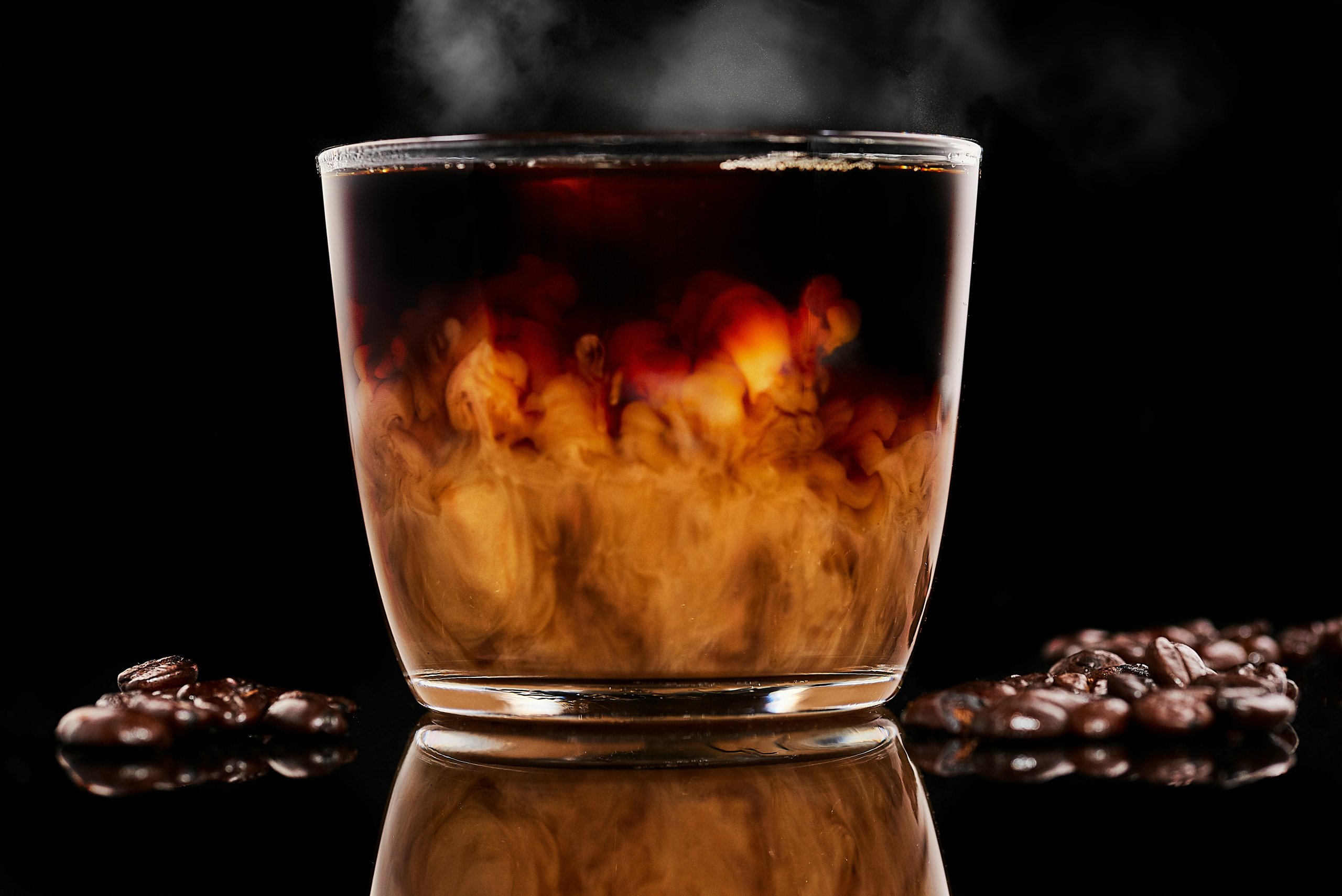
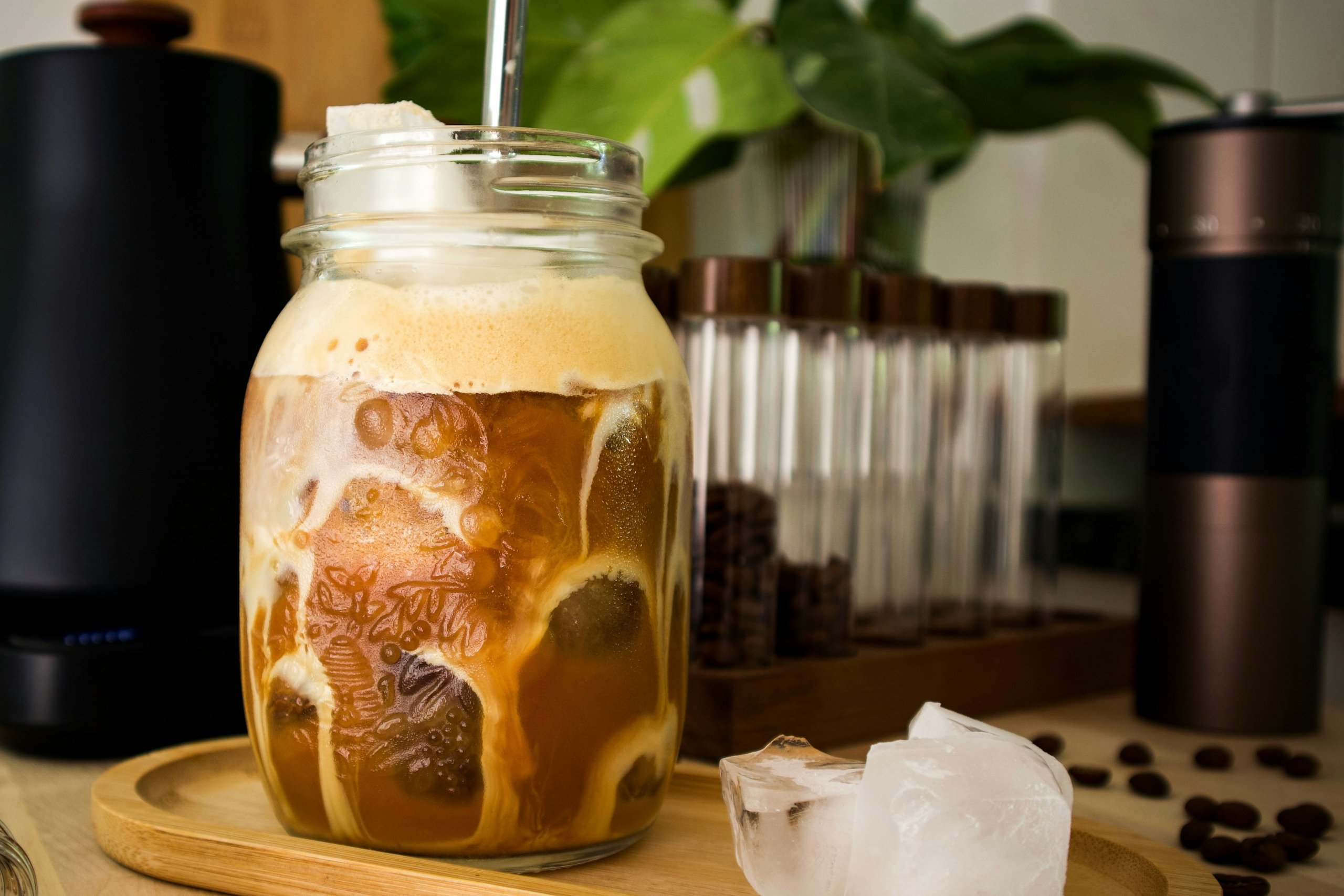
Then there is the question of what cold brew looks like. This matters more than it should, but it matters. A nitro cold brew poured over a tap is, objectively, a beautiful thing. The cascade of microbubbles, the dark body settling under a pale head of foam. Hot coffee in a ceramic mug is handsome enough. It does not photograph. Cold coffee, it turns out, photographs extraordinarily well. The generation that grew up sharing pictures of its food discovered this early and has not stopped sharing since.
That same generation, it should be said, has driven cold brew’s growth in a second way that has nothing to do with photography. Cold brew is an unusually accommodating base. It takes customization well — cold foam, flavored syrups, oat milk, tonic water, ice cream, a pinch of sea salt. Hot coffee resists that kind of elaboration. Cold brew invites it. The result is a drink that a twenty-three-year-old can specify with the precision of a contract and receive exactly as ordered. This is not a trivial thing. It is, in fact, one of the defining consumer behaviors of the present decade, and cold brew sits squarely at the center of it.
The ready-to-drink market deserves mention, because it is where cold brew crossed from specialty culture into everyday American life. Canned cold brew from serious producers like Stumptown, La Colombe, Chameleon, Rise Brewing is now available at gas stations, airport kiosks, and suburban supermarkets. When a product moves into those channels, it stops being a trend and starts being a category. Cold brew made that move several years ago. What we are watching now is the category maturing.
None of this, finally, is entirely about the coffee. The popularity of cold brew is also a story about a culture that has become more attentive to what it drinks and why. The same forces driving interest in single-origin wine, in craft spirits, in the provenance of ingredients generally, have arrived at coffee and are asking the same questions. Where was this bean grown? How was it processed? What does the roasting profile do to the flavor? These are not the questions of people who want a caffeine delivery system. They are the questions of people who want a drink worth thinking about.
Cold brew, at its best, rewards that kind of thinking. That is why it is everywhere. And that, in all likelihood, is why it will stay.
Here are some great cold brew coffee shops worth the visit:
Cold Brew & Nitro Coffee Shops — San Diego County
Cold Brew & Nitro Coffee Shops — Boston, MA
Cold Brew & Nitro Coffee Shops — Seattle, WA
Cold Brew & Nitro Coffee Shops — Portland, OR







Leave A Comment