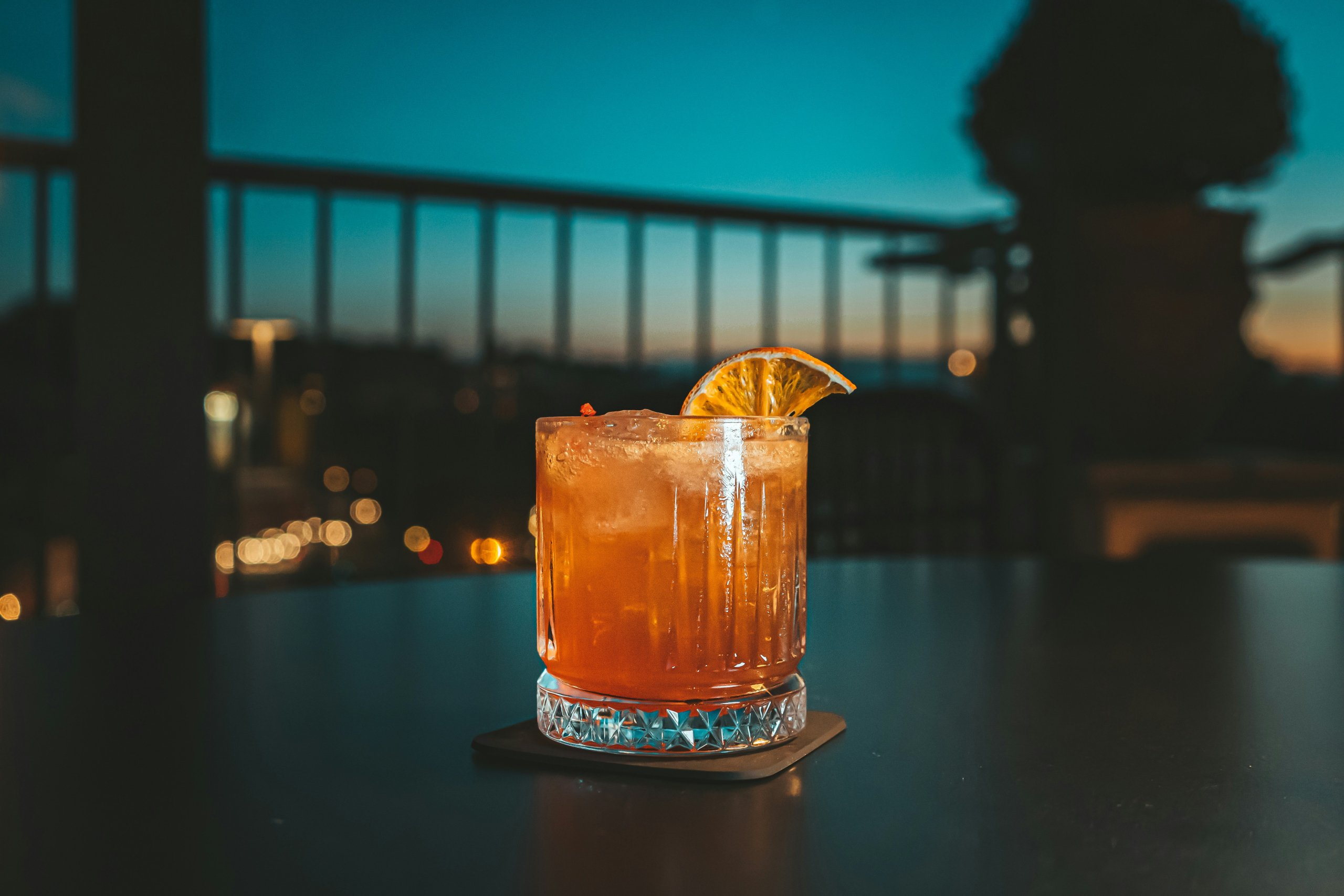
A generation is rewriting the rules of the bar and the bartenders paying attention are building the most interesting drinks programs in years.
There has always been, in the culture of serious drinking, a quiet contempt for the person who does not drink. This is not an admirable quality, and most people who possess it would deny it if pressed. But it is there, the slight pause when someone orders a sparkling water, the barely perceptible recalibration of the evening. The non-drinker, in the traditional bar, was a problem to be managed rather than a guest to be served.
That is changing. It is changing because a generation has arrived at the bar with different ideas about what a night out is supposed to cost them, in calories, in consequence, in the particular tax that alcohol levies on the morning after. Seventy-eight percent of Gen Z now actively alternate between alcoholic and non-alcoholic rounds in a single evening. This behavior is not driven by abstinence. It is driven by longevity. They want to stay at the party longer without the hangover. The bartenders who are paying attention have stopped managing this preference and started building programs around it. The results are, in several cases, genuinely worth ordering.
The word “mocktail” should be retired. It has done its work and it has done it poorly, suggesting always a diminished thing, a cocktail with something missing, the culinary equivalent of decaffeinated coffee served apologetically. The better bars are not making mocktails. They are making zero-proof cocktails, which is a different proposition entirely: drinks conceived from the ground up as complete experiences, not as substitutes for something else. Guests are not paying for the alcohol. They are paying for the experience. The distinction matters more than it sounds.
What makes a zero-proof cocktail worth drinking, it turns out, is the same thing that makes any cocktail worth drinking: technique. The craft bartenders who have taken this category seriously have done so by applying to it every tool available to them, starting with the one that most people associate with beer rather than cocktails.
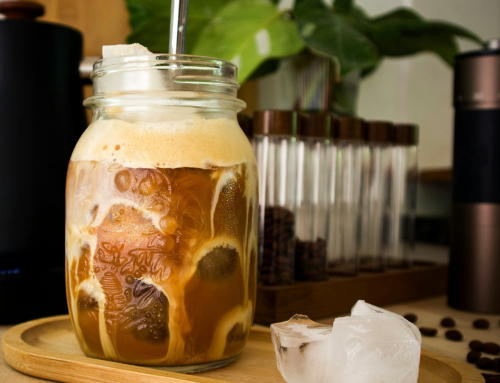
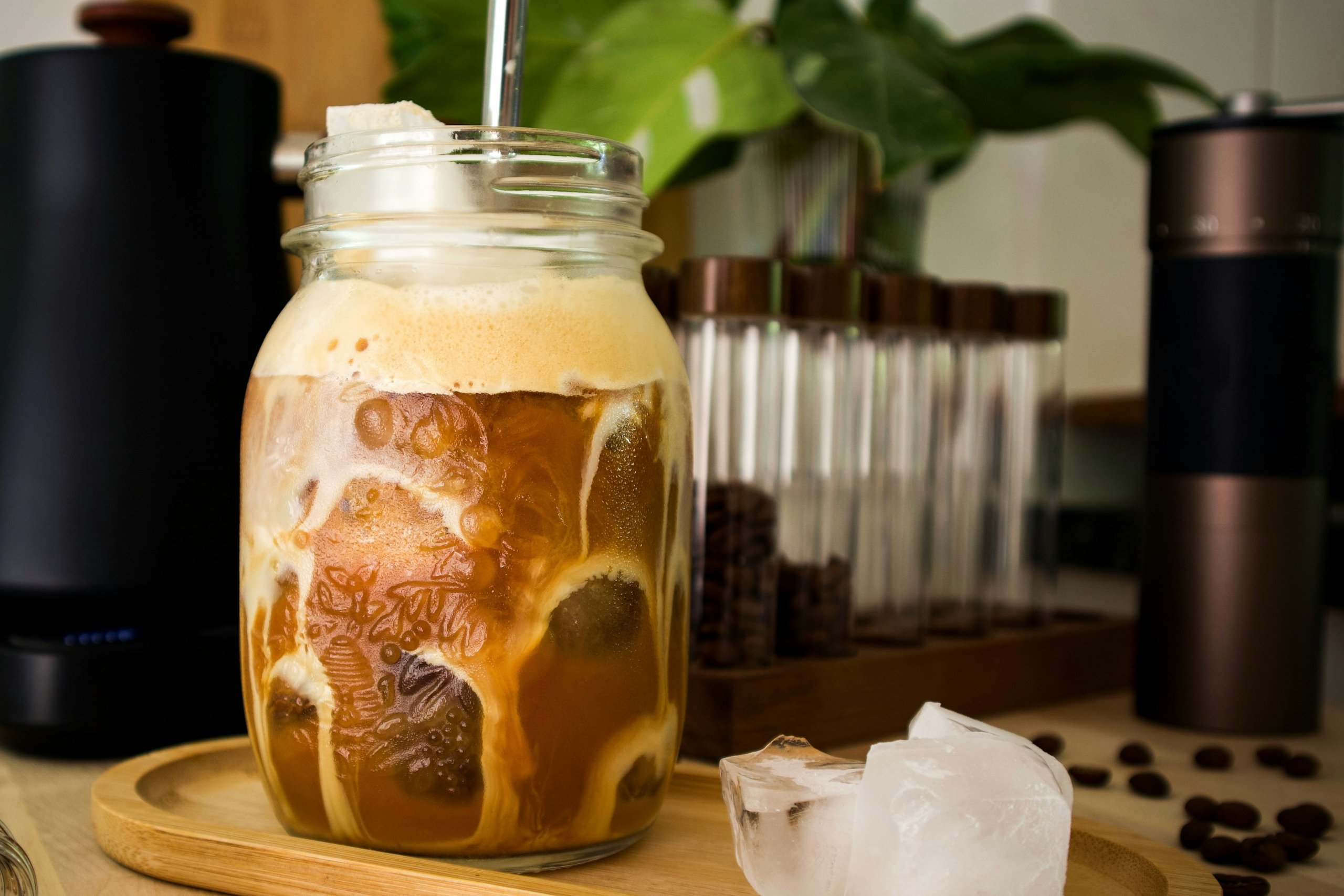
Nitrogen. The same gas that transformed cold brew coffee and gave Guinness its legendary pour is now arriving at the cocktail bar in force. A nitrogen-infused zero-proof drink, a hibiscus tonic, a cucumber-elderflower cooler, a shrub built from apple cider vinegar and ginger acquires, through the infusion, a texture that changes the entire character of the glass. Nitrogen does not add flavor. It adds texture, hat weightless, velvet quality that the palate registers before the mind has time to analyze what it is drinking. In a zero-proof drink, where there is no alcohol to provide body and burn, texture is everything. Nitrogen supplies it.

The technique is not difficult to understand. Liquid nitrogen is used to flash-freeze ingredients — herbs, citrus oils, fruit preserving aromatic compounds at the moment of peak intensity, then incorporating them into a drink at the moment of service. A bartender who freezes fresh basil in liquid nitrogen before crushing it into a drink is extracting a concentration of flavor that no muddler could replicate. The result tastes more intensely of basil than basil does at room temperature. This is not a trick. It is chemistry applied with intention.
Vacuum distillation and reverse osmosis, the same techniques now used to dealcoholize wine and beer without stripping their flavor are arriving at the cocktail bar as well. A bartender with access to a rotary evaporator can distill the flavor compounds from almost any ingredient at low temperatures, producing an essence of cucumber or rose or smoked wood that carries none of the bitterness or heaviness of a raw extract. These are not home techniques. They are the tools of a serious craft, applied to a category that is, at last, being taken seriously.
For those who still want alcohol but less of it, the news is equally good. The aperitivo revival, the Italian tradition of low-proof, bitter, herbaceous drinks taken before dinner has produced, in the American market, a generation of drinkers who have discovered that Campari and soda at eleven percent alcohol is more interesting than a martini at forty, and considerably more forgiving. The Garibaldi Campari and fresh orange juice, ideally with a fluffy, nitrogen-whipped texture on top is poised to replace the Aperol Spritz as the aperitivo of choice at serious bars. The Negroni Sbagliato, which substitutes sparkling wine for gin and reduces the alcohol accordingly, has moved from viral moment to permanent menu fixture. The aperitivo is the most European solution to the American problem of drinking too much too fast and it has arrived at exactly the right moment.

The sessionable cocktail, lower in alcohol, designed to be consumed two or three over an evening rather than one. It is the new standard at serious bars. These drinks use amaro, Lillet, vermouth, and other aperitifs as their base rather than full-proof spirits, which reduces the alcohol content while increasing the complexity. A drink built on Lillet Blanc with tonic and fresh herbs is not a lesser thing than a gin and tonic. It is a different thing, and in the hands of a bartender who has thought about it, a better one.
SIX DRINKS WORTH ORDERING
Nitro Hibiscus Tonic — Zero Proof / 0% ABV
Hibiscus cold brew infused with nitrogen on tap. Velvet texture, tart florals, a pale foam head. Indistinguishable from a serious cocktail in every way that matters.
The Garibaldi — Low-ABV / ~11% ABV
Campari and fresh-squeezed orange juice, ideally nitro-whipped for a fluffy texture. The spritz replacement that serious drinkers have been waiting for.
Lillet Spritz — Low-ABV / ~8% ABV
Lillet Blanc over ice with quality tonic and a lemon twist. Elegant, sessionable, and roughly half the alcohol of a standard cocktail. Order two.
Vacuum-Distilled Cucumber Cooler — Zero Proof / 0% ABV
Cucumber essence extracted at low temperature via rotary evaporation, combined with elderflower and mint. The most technically impressive drink on any menu that serves one.
Negroni Sbagliato — Low-ABV / ~13% ABV
Campari, sweet vermouth, and sparkling wine instead of gin. Negroni complexity at a third less alcohol. Viral for a reason — and the reason is that it works.
Liquid Nitrogen Basil Smash — Zero Proof or Low-ABV
Fresh basil flash-frozen in liquid nitrogen and crushed at service for concentrated flavor no muddler achieves. Lemon, honey, and sparkling water complete it.
Botanicals and functional ingredients, L-theanine for calm focus, ashwagandha for stress relief, adaptogens sourced from mushrooms and roots are arriving in drinks with increasing frequency and sophistication. These are not the vitamin waters of a decade ago, thick with synthetic sweeteners and promises that couldn’t be kept. The better formulations are built by people who understand flavor as well as function, and the results, a drink that tastes of hibiscus and ginger and delivers, in place of a mild buzz, a mild and genuine sense of ease are more interesting than the premise suggests. Whether they work as advertised is a question for another column. Whether they taste good is not in doubt.
The wine world has its own version of this story. Alcohol consumption has declined significantly, falling from 67 percent in 2022 to 54 percent in 2025, and the decline shows no signs of reversing. The response from serious producers has not been to lower quality but to lower alcohol, to pick earlier, to ferment more carefully, to find in the vineyard what others are trying to engineer in the laboratory. A wine at eleven percent alcohol, from a cool climate, with high acid and genuine complexity, is not a compromise. It is, in several cases, a better wine than its fourteen-percent neighbor made in a hotter year by a winemaker who waited too long.
The generation currently arriving at bars and restaurants is not, despite occasional reports to the contrary, abandoning the pleasures of the glass. They are drinking differently rather than drinking less, choosing low-ABV spritzers, small-format cocktails, and sessionable drinks that allow them to stay at the table longer. This is not abstinence. It is preference. And preference, when it is this consistent across a generation, is eventually indistinguishable from culture.
The bartenders who have understood this first are building the most interesting drinks programs in years. The rest will catch up. They usually do.