Classic Wine and Cheese Pairings You Must Try
There’s a reason wine and cheese have been companions for centuries. When paired thoughtfully, they create a synergy that elevates both…the wine’s acidity cuts through rich, creamy textures, while the cheese softens tannins and brings out subtle fruity notes you might otherwise miss. But standing in front of a cheese counter or wine shop, the possibilities can feel overwhelming. Which crisp white complements that wedge of aged Gruyère? Does that bold Cabernet really work with blue cheese, or is that just something people say?
I’ve spent years experimenting with pairings, hosting impromptu tastings in my kitchen, and consulting with sommeliers and cheesemongers who’ve generously shared their expertise. What I’ve learned is that while there are classic combinations worth knowing, the best pairing is ultimately the one that makes you happiest. Still, having a framework helps.
A Few Cheese and Wine Guidelines
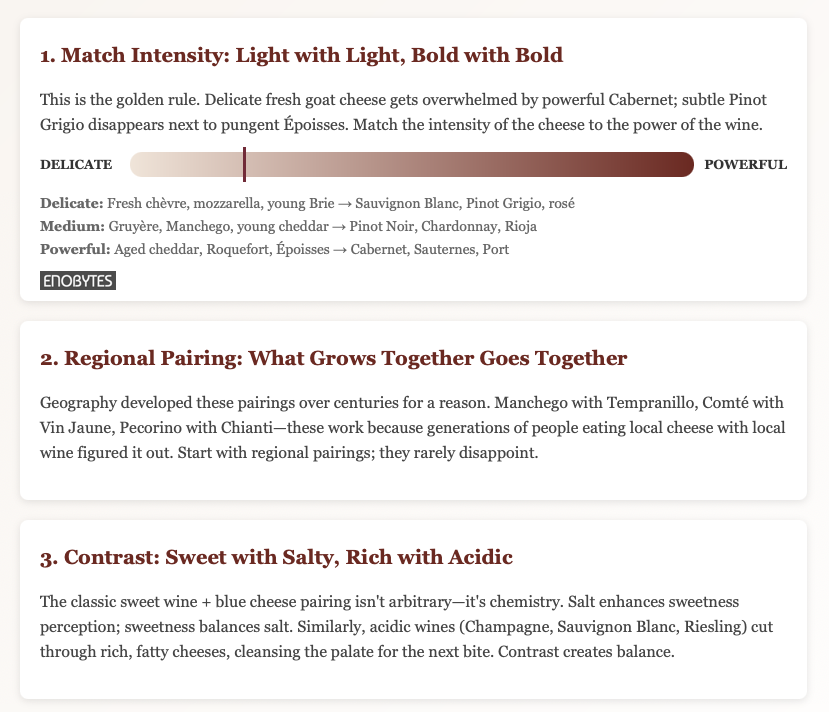
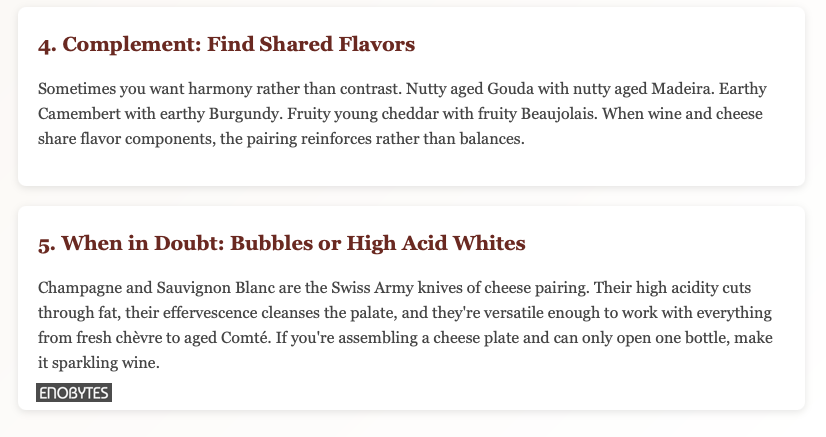
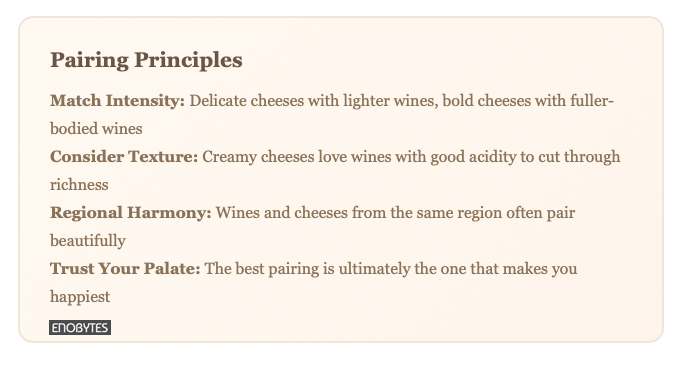
Before we dive into specific pairings, a few principles will serve you well. First, consider intensity: delicate cheeses pair best with lighter wines, while robust, pungent cheeses can stand up to fuller-bodied bottles. Second, think about texture—creamy cheeses love wines with good acidity to cut through the richness. Third, don’t forget about origin: wines and cheeses from the same region often pair beautifully, having evolved together over generations.
The Essential Pairings
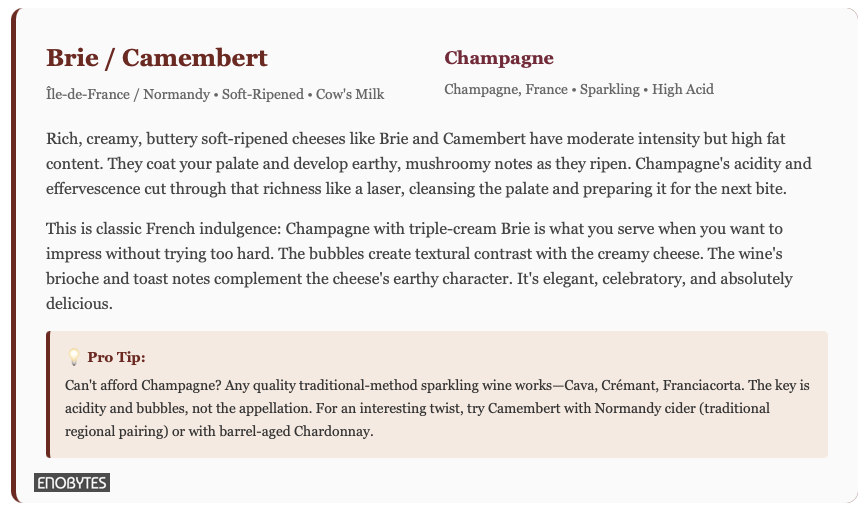
Brie with Champagne
There’s something inherently celebratory about this pairing, which makes it perfect for special occasions or Tuesday evenings when you need a lift. The bright bubbles and high acidity of Champagne slice through Brie’s buttery richness like a knife, cleansing your palate between bites. The toasty, yeasty notes in a good Champagne echo the earthy, mushroomy flavors that develop in the rind. If Champagne feels too extravagant, try a Crémant or a good Cava—the principle remains the same.
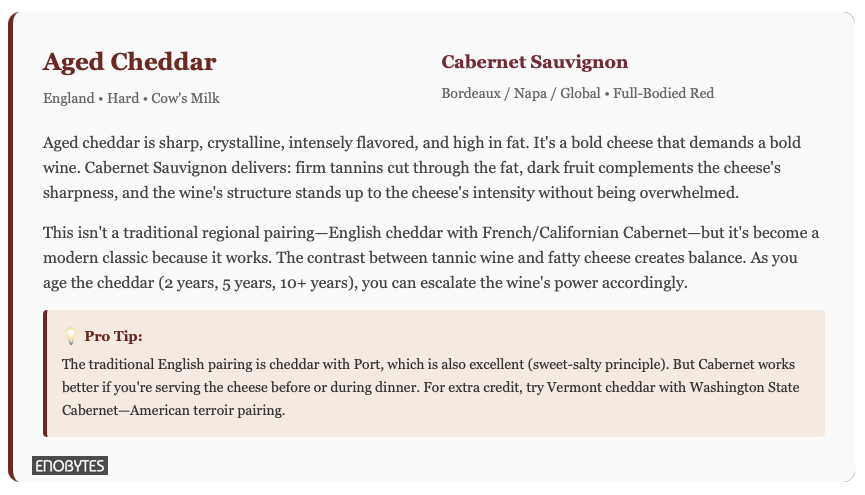
Aged Cheddar with Cabernet Sauvignon
This is the pairing that converted me to the magic of matching wine and cheese. Sharp, crystalline cheddar that’s been aged for at least two years has a nutty complexity that meshes beautifully with Cabernet’s dark fruit and structured tannins. The cheese’s saltiness enhances the wine’s fruitiness, while the wine’s tannins help cut through the cheddar’s intensity. It’s a pairing of equals, neither overshadowing the other.
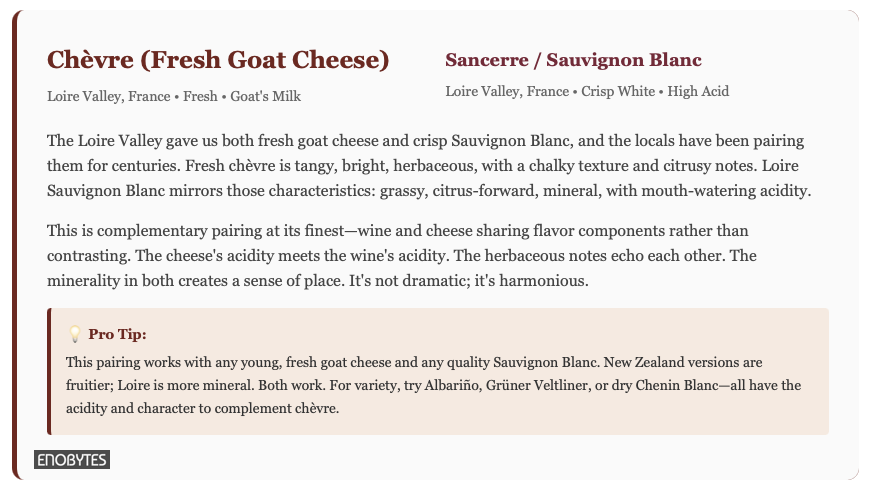
Goat Cheese with Sauvignon Blanc
Here’s where terroir comes into play. Sancerre, made from Sauvignon Blanc grapes in France’s Loire Valley, and Crottin de Chavignol, a local goat cheese, are a classic regional pairing. The wine’s grassy, citrusy notes and racy acidity complement the cheese’s tangy brightness and slight earthiness. Fresh goat cheese works beautifully, but if you can find a slightly aged version with a wrinkly rind, the pairing becomes even more compelling.
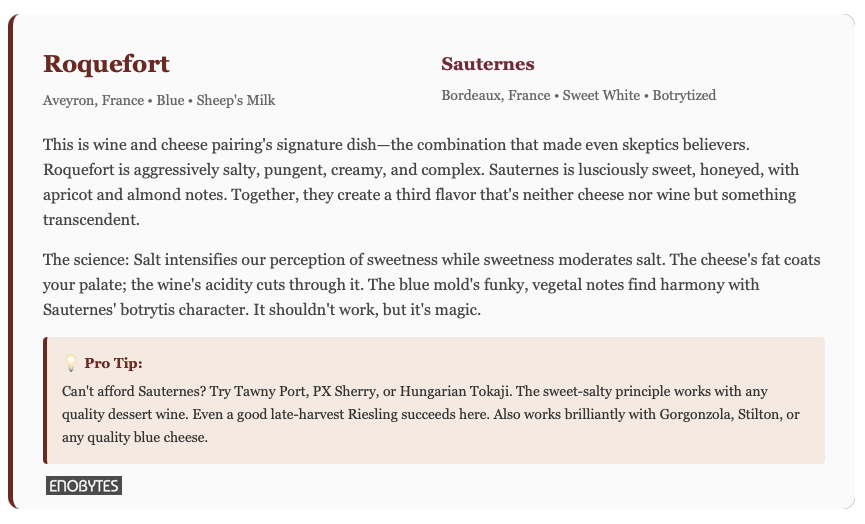
Blue Cheese or Roquefort with Sauternes
This might seem counterintuitive…pairing a pungent, salty cheese with a sweet wine…but it’s one of the most transcendent combinations I’ve encountered. The honeyed richness of Sauternes, with its notes of apricot and caramel, provides a lush counterpoint to the sharp, salty punch of Roquefort or Stilton. The sweetness tames the cheese’s intensity while the wine’s acidity keeps everything balanced. If Sauternes isn’t available, try a late-harvest Riesling or a tawny Port.
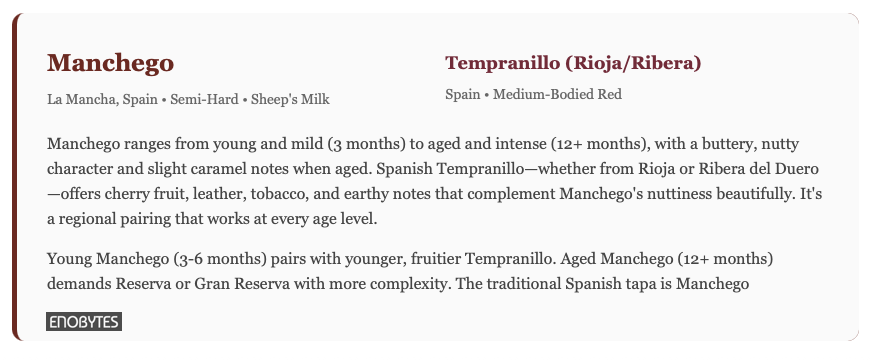
Manchego with Tempranillo
Spain’s sheep’s milk cheese and its signature red grape are natural partners. Manchego, especially when aged, develops a firm texture and complex flavors—nutty, slightly sweet, with a pleasant sharpness. Tempranillo-based wines like Rioja bring red fruit, earthiness, and a savory quality that mirrors the cheese’s depth. There’s a rustic elegance to this pairing that feels both comforting and sophisticated.
Gruyère with Pinot Noir
Swiss Gruyère, with its sweet, nutty flavor and slight granularity, finds a graceful partner in Burgundian Pinot Noir. The wine’s silky texture, bright cherry notes, and earthy undertones complement the cheese’s complexity without overwhelming it. This pairing exemplifies balance—nothing dominates, and each bite and sip reveals new nuances.
Making It Your Own
The truth is, these classics are just a starting point. I encourage you to experiment, to trust your palate, and to break the rules when something sounds appealing to you. Some of my favorite discoveries have come from unexpected combinations: a funky washed-rind cheese with an off-dry Riesling, or a mild fresh mozzarella with a chilled Beaujolais.
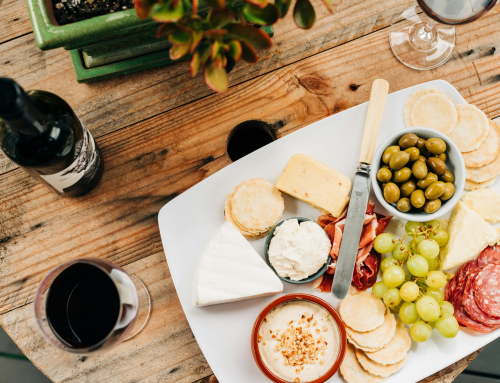
When assembling a cheese board for guests, I typically choose three to five cheeses with varying textures and intensities—perhaps a soft cheese, a hard aged cheese, a blue, and a wild card. I’ll offer two or three wines that cover different styles: maybe a sparkling, a white, and a red. This gives everyone the freedom to explore different combinations and discover their own preferences.
The pleasure of wine and cheese isn’t just in the flavors, though those matter immensely. It’s in the ritual of slicing and pouring, of sharing and discussing, of that moment when a particular bite and sip come together and you find yourself closing your eyes, just briefly, in appreciation. These pairings aren’t rules to memorize but invitations to slow down and pay attention, to taste with intention and to savor the small, extraordinary pleasures that make life richer.