

Wine Regions of the World – A Global Journey Through the Vineyards That Define Wine
Welcome to our series, Wine Regions of the World! As part of an ongoing series, we will take you on a journey throughout the world to learn about appellations and sub-appellations, region varietals, and top-producers. Surprisingly, wine production is concentrated in a small number of countries, with the top twelve accounting for roughly 90% of global output. These regions represent not just volume but centuries of winemaking tradition, diverse terroirs, and the grapes that have come to define wine culture worldwide. Understanding these regions provides context for nearly every bottle you’ll encounter, from everyday table wine to the most prestigious labels.
As we add maps and guides for each region, we’ll add links to the major regions and appellations below.
Italy (16-18% of Global Wine Production)
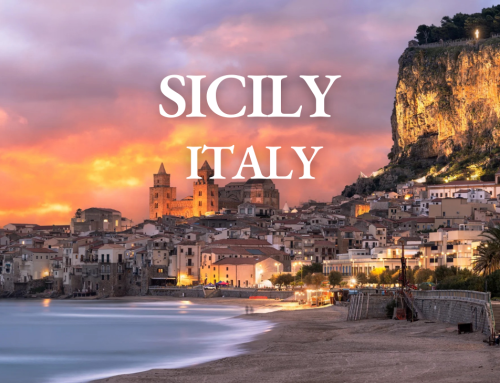
Italy is the world’s largest or second-largest wine producer depending on the year, locked in an ongoing battle with France for the top position. What sets Italy apart is its extraordinary diversity—over 350 registered grape varieties and 73 DOCG (Denominazione di Origine Controllata e Garantita) designations representing the highest quality tier.
Major Regions & Appellations:
- Tuscany: Chianti, Brunello di Montalcino, Vino Nobile di Montepulciano, Bolgheri (Super Tuscans)
- Piedmont: Barolo, Barbaresco, Barbera d’Asti, Moscato d’Asti
- Veneto: Prosecco, Valpolicella, Amarone, Soave
- Sicily: Nero d’Avola, Etna DOC
France (15-17% of Global Wine Production)
France may produce slightly less wine than Italy by volume, but it maintains unmatched prestige and influence. French wine regions established the classification systems, winemaking techniques, and grape varieties that the rest of the world emulates. The AOC (Appellation d’Origine Contrôlée) system, now the EU-wide AOP, originated here and became the model for quality wine designation globally.
Major Regions & Appellations:
- Bordeaux: Left Bank (Médoc, Pauillac, Margaux), Right Bank (Pomerol, Saint-Émilion)
- Burgundy: Côte d’Or (Gevrey-Chambertin, Chambolle-Musigny, Puligny-Montrachet), Chablis, Beaujolais
- Champagne: Montagne de Reims, Vallée de la Marne, Côte des Blancs
- Rhône Valley: Northern Rhône (Hermitage, Côte-Rôtie), Southern Rhône (Châteauneuf-du-Pape)
- Loire Valley: Sancerre, Pouilly-Fumé, Chinon, Vouvray
- Alsace: Riesling, Gewürztraminer, Pinot Gris
Spain (13-15% of Global Wine Production)
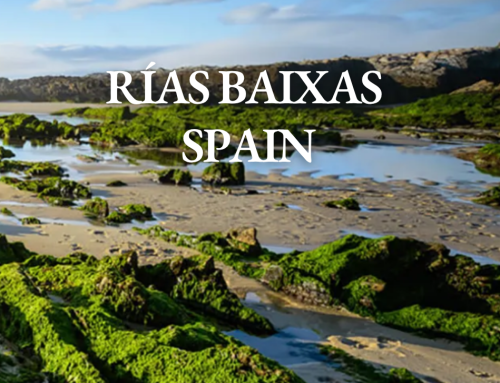
Spain has more vineyard acreage than any country in the world, though dry conditions and low yields mean it ranks third in production volume. Spanish wine has undergone a dramatic quality revolution in the past 30 years, moving from bulk production to serious, age-worthy wines that compete globally while maintaining distinctly Spanish character.
Major Regions & Appellations:
- Rioja: Rioja Alta, Rioja Alavesa, Rioja Oriental
- Ribera del Duero: Tempranillo-based reds with international recognition
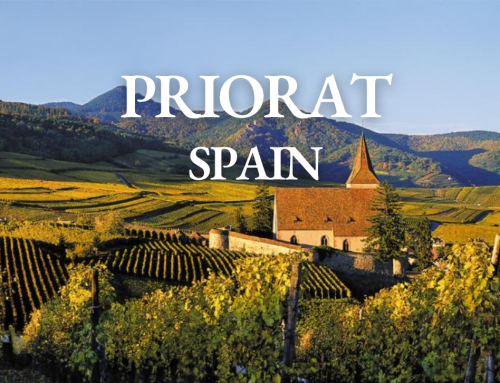
- Priorat: Intense, mineral-driven reds from slate soils
- Rías Baixas: Albariño whites from Galicia
- Jerez: Sherry production (Fino, Manzanilla, Oloroso, Pedro Ximénez)
- Penedès: Cava production, still wines
United States (10-11% of Global Wine Production)
The United States is the fourth-largest producer globally, with California accounting for roughly 85% of American wine production. While California dominates, serious wine production now spans from New York to Oregon to Texas, with American wine competing at the highest quality levels while also producing vast quantities of inexpensive wine for the domestic market.
Major Regions & Appellations:
- California: Napa Valley (Oakville, Rutherford, Stags Leap), Sonoma (Russian River Valley, Dry Creek, Alexander Valley), Central Coast (Paso Robles, Santa Barbara)
- Oregon: Willamette Valley (Pinot Noir focus)
- Washington: Columbia Valley, Walla Walla Valley
- New York: Finger Lakes, Long Island
Argentina (5-6% of Global Wine Production)
Argentina is the largest wine producer in South America and the fifth-largest globally. The country’s high-altitude vineyards, particularly in Mendoza, produce wines with intense concentration and ripe fruit character. Malbec, once a minor blending grape in Bordeaux, found its true home in Argentina and has become the country’s signature variety.
Major Regions & Appellations:
- Mendoza: Luján de Cuyo, Maipú, Valle de Uco (high-altitude sites)
- Salta: Cafayate (highest vineyards, Torrontés stronghold)
- San Juan: Bulk production and value wines
- Patagonia: Cooler-climate Pinot Noir and Malbec
Australia (5-6% of Global Wine Production)
Australia punches above its weight in the global wine market, known for bold, fruit-forward wines and innovative winemaking techniques. The country pioneered screw caps for quality wine, revolutionized technical winemaking, and created powerful, accessible wine styles that found enormous success in export markets, particularly Shiraz.
Major Regions & Appellations:
- Barossa Valley: Powerful Shiraz, old-vine Grenache
- McLaren Vale: Rich Shiraz and Grenache
- Coonawarra: Cabernet Sauvignon on terra rossa soil
- Margaret River: Bordeaux-style blends, Chardonnay
- Yarra Valley: Cool-climate Pinot Noir and Chardonnay
- Clare Valley: Riesling
- Hunter Valley: Sémillon, Shiraz
Chile (4-5% of Global Wine Production)
Chile’s geography, trapped between the Andes Mountains and the Pacific Ocean, creates diverse microclimates ideal for viticulture. The country’s isolation also means it escaped phylloxera, so Chilean vines grow on their own rootstocks, making Chile one of the few wine regions where pre-phylloxera viticulture continues unchanged.
Major Regions & Appellations:
- Maipo Valley: Cabernet Sauvignon near Santiago
- Colchagua Valley: Red wine focus, warm climate
- Casablanca Valley: Cool-climate whites and Pinot Noir
- Limarí Valley: High-altitude, coastal influence
- Elqui Valley: Northern, dessert wine production
Germany (3-4% of Global Wine Production)
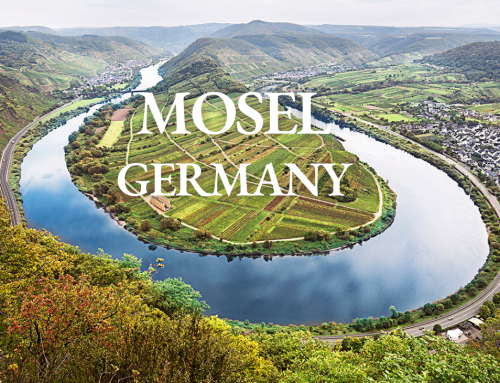
Germany produces relatively small quantities of wine but maintains outsized influence, particularly for white wine. German Riesling is considered among the world’s greatest white wines, and the country’s Prädikat system for classifying wine by ripeness levels influenced quality designations worldwide. Despite its northerly latitude, Germany’s combination of slate soils and river valleys creates ideal conditions for aromatic whites.
Major Regions & Appellations:
- Mosel: Steep slate slopes, mineral Riesling
- Rheingau: Classic Riesling, full-bodied styles
- Pfalz (Palatinate): Warmer, diverse production
- Baden: Germany’s warmest region, Pinot Noir focus
- Franken: Silvaner, distinctive Bocksbeutel bottles
South Africa (4% of Global Wine Production)
South African wine production was isolated during the apartheid era but has exploded in quality and diversity since the 1990s. The country’s Cape Winelands benefit from maritime influence and diverse soils, producing everything from Bordeaux-style blends to distinctive Chenin Blanc. Pinotage, a uniquely South African grape, was created here through a cross of Pinot Noir and Cinsault.
Major Regions & Appellations:
- Stellenbosch: Premium red wines, Bordeaux blends
- Paarl: Diverse production, Rhône-style wines
- Constantia: Cool-climate whites, historic sweet wines
- Swartland: Old-vine Chenin Blanc and Rhône varieties
- Walker Bay/Hemel-en-Aarde: Cool-climate Pinot Noir and Chardonnay
Portugal (3% of Global Wine Production)
Portugal maintains winemaking traditions that date back millennia while producing distinctive wines found nowhere else. The country’s strength lies in indigenous grape varieties—over 250 native varieties—and unique wine styles like Port, Madeira, and Vinho Verde. Portuguese wine offers exceptional value and character that’s increasingly recognized internationally.
Major Regions & Appellations:
- Douro Valley: Port production, high-quality table wines
- Dão: Elegant reds, high-altitude vineyards
- Alentejo: Fuller-bodied reds, warm climate
- Vinho Verde: Light, slightly sparkling whites and reds
- Madeira: Fortified wine production
- Bairrada: Baga-based reds, traditional method sparkling
Romania (2-3% of Global Wine Production)
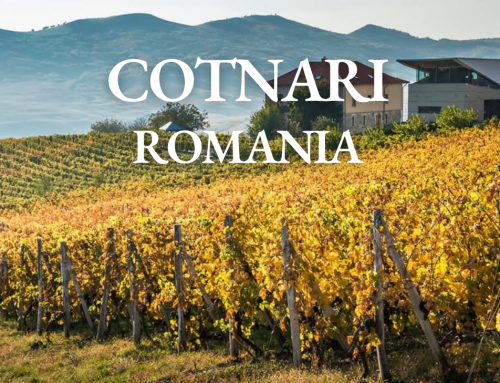
Romania has a long winemaking history dating to ancient times and was once a significant European producer. Under communism, the focus shifted to quantity over quality, but recent privatization and investment have sparked a quality renaissance. Romania’s indigenous varieties and diverse terroirs are being rediscovered by the international wine community.
Major Regions & Appellations:
- Dealu Mare: Red wine production, Pinot Noir
- Murfatlar: Black Sea influence, diverse production
- Cotnari: Historic white wine region
- Târnave: White wine focus, cool climate
- Recaș: Modern production, international varieties
New Zealand (1-2% of Global Wine Production)
New Zealand is small in production volume but massive in influence, particularly for Sauvignon Blanc. The country’s maritime climate, clean environment, and intense UV light create distinctive wine styles, especially the pungent, tropical Sauvignon Blanc from Marlborough that redefined the variety globally. New Zealand also produces world-class Pinot Noir from Central Otago and other cool-climate regions.
Major Regions & Appellations:
- Marlborough: Sauvignon Blanc dominance (77% of NZ production)
- Central Otago: World’s southernmost wine region, premium Pinot Noir
- Hawke’s Bay: Bordeaux-style reds, diverse production
- Martinborough: Pinot Noir, small production
- Waipara: Cool-climate whites and Pinot Noir
We hope you enjoy and appreciate the Wine Regions of the World series.



[…] on the web, particularly from such pioneers (Enobytes is one of the first sites to generate wine maps from Google Earth among other […]
Great start. Now…
1) Let’s see all those other Oregon and OR/WA AVAs! See Greg Jones, SOU wine climatologist, for GIS data.
2) Bordeaux, SVP?
3) Portugal? (I’m going in January-) (Alentejo, Douro)
Looks like I have my work cut out for me! I’m on it Deborah and thanks for the contact name. ~Pamela
Very nice!
How about the new Portuguese region Tejo ?
Marco, thanks for the suggestion! Do you know where I might find a map of the region and winery names for the area? This would help tremendously! ~Pamela
Hi Pamela, actually i can! I work in Tejo wines, so i can provide you info, and lots of contacts. I´ll email some details of the region a.s.a.p.!
That would be awesome Marco, thank you.
Hello again, Pamela! Sorry for the delay but i have been translating our site… Go to http://www.cvrtejo.pt , English version, and you´ll find info on the region and a list of our producers. Later i´ll add more details.
Marco
Awesome, Marco, thank you.
South African wines are having a big impact all over the world, but no mention on this site. Why?
One of these days we’ll get to the SA map Bob! Lots of work in these maps and we unfortunately haven’t had the time to finish them…
[…] every month, Enobytes reaches a wide audience! They pioneered the use of Google Earth based wine region maps, and offer a weekly VinQ twitter wine quiz that educates and humors the wine public. With their […]
This is a wonderful write-up, I located your weblog researching bing for a related subject matter and arrived to this. I couldnt come across to much different information and facts on this blog, so it was wonderful to find this one. I probably will end up being back again to look at some other articles that you have another time.
[…] within the Vacqueyras region of France. It is one of many maps generated to support the “Wine Regions of the World” series. Vacqueyras, meaning “valley of stones” is located between the […]
I’d love to share this posting with the readers on my site. thanks for sharing!
Great review! You actually overviewed some nice news in your post. I came across it by using Yahoo and I’ve got to admit that I already subscribed to the RSS feed, will be following you on my iphone :)
Great information. Thank you for posting this map. Love it!
I am actually studying these regions, so thanks for your for your help!
Glad they are coming in handy. Cheers Nickolas!
Salutations! Very good tip on this article!
Thanks for the advice. Will put it to work!
Its like you read my mind! I’ve been searching for wine maps because I have many vineyard trips planned. Magnificent blog, fantastic read. I will definitely be back.
Appreciate it Jax!
Hello there! I know this is kinda off topic but I’d figured I’d ask. Would you be interested in exchanging links or maybe guest authoring a blog article or vice-versa? My site covers a lot of the same subjects as yours and I think we could greatly benefit from each other. If you’re interested feel free to send me an e-mail. I look forward to hearing from you! Terrific blog by the way!
Great series, bless you!
Cheers :)
I do love the way you have presented this map. Thanks!
Glad you enjoy it brebbon!
[…] within the Paso Robles region of California. It is one of many maps generated to support the “Wine Regions of the World” […]
Way cool, love this map.
Hello, I adore your site and the wine region maps. Will you make one for Italy soon? Bless you.
Yes, Italy is on the horizon, stay tuned!
[…] within the Hunter Valley region of Australia. It is one of many maps generated to support the “Wine Regions of the World” […]
I enjoy this series but you are making me spend too much time on Google Maps!!!! :)
So our plan is working, eh? :)
Been reading you guys for a while now so how did I miss these wine maps??? Good stuff.
Well, lets just say Google ate our maps, sort of like the dog eating my homework (no, seriously!). Our maps disappeared for a bit and magically reappeared. Long story :)
Fantastic post altogether, you just gained a new reader.
Cheers Tamra, hope you find the maps useful…
Definitely a great series of maps, much better than most I’ve found on the internet. Kudos!
Hey thanks spice, appreciate it.
Awesome maps, and can’t wait to see more!
…and lucky for you there are more coming! :)
Cela a été une carte de grands vins! Allez-vous créer plusieurs cartes pour les régions françaises?
Oui, nous allons ajouter d’autres régions françaises plus bientôt!
[…] the Hawk’s Bay region of New Zealand. It is one of many maps generated to support the “Wine Regions of the World” […]
[…] for more wine maps? Check out the full list here. […]
[…] for more wine maps? Check out the full list here. […]
[…] Looking for more wine maps? Check out the full list here. […]
[…] for more wine maps? Check out the full list here. […]