Kizaki, the Michelin-starred omakase counter tucked behind a hallway on South Pearl Street, is the culmination of forty years of mastery, and the most serious meal in Denver right now.
There is a particular kind of restaurant that a certain kind of chef opens late in a career, after the proving has been done and the reputation is secure and there is nothing left to establish except the thing that was always the point. These restaurants are rarely the loudest ones in a city. They are rarely the ones with the longest waits or the most talked-about interiors or the publicists who make sure the right people know about them first. They are, instead, the restaurants that feel inevitable, as though the chef had been working toward them all along and simply needed forty years to get there.
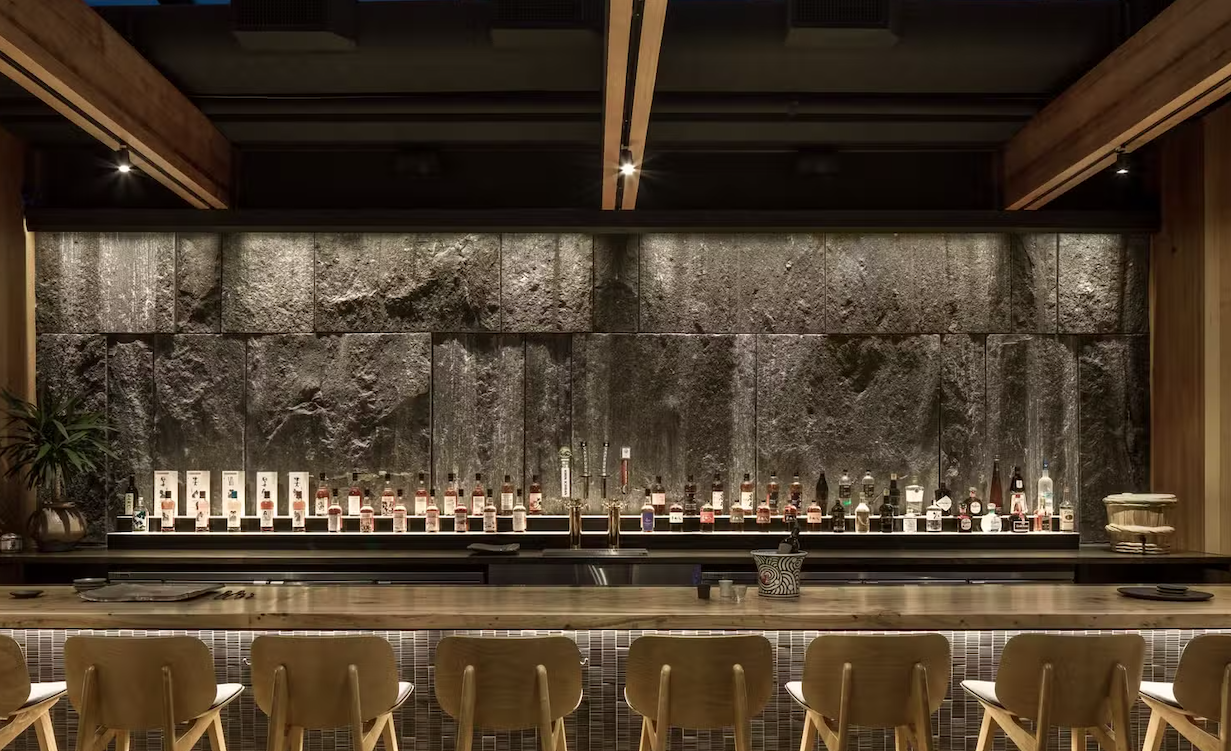
Kizaki is that restaurant. It opened in the spring of 2025 on South Pearl Street in Denver’s Platt Park neighborhood, one block from Sushi Den, which Toshi Kizaki opened with his brother Yasu in 1984 and which has been the defining Japanese restaurant in this city for four decades since. The new place is tucked behind a dim hallway lined with charcoal-colored stone, inside a building Kizaki designed and built himself, and shares an address with Margot, Justin Fulton’s contemporary American restaurant. There is no sign on the street that announces it. You have to know where you are going. This, too, feels inevitable.
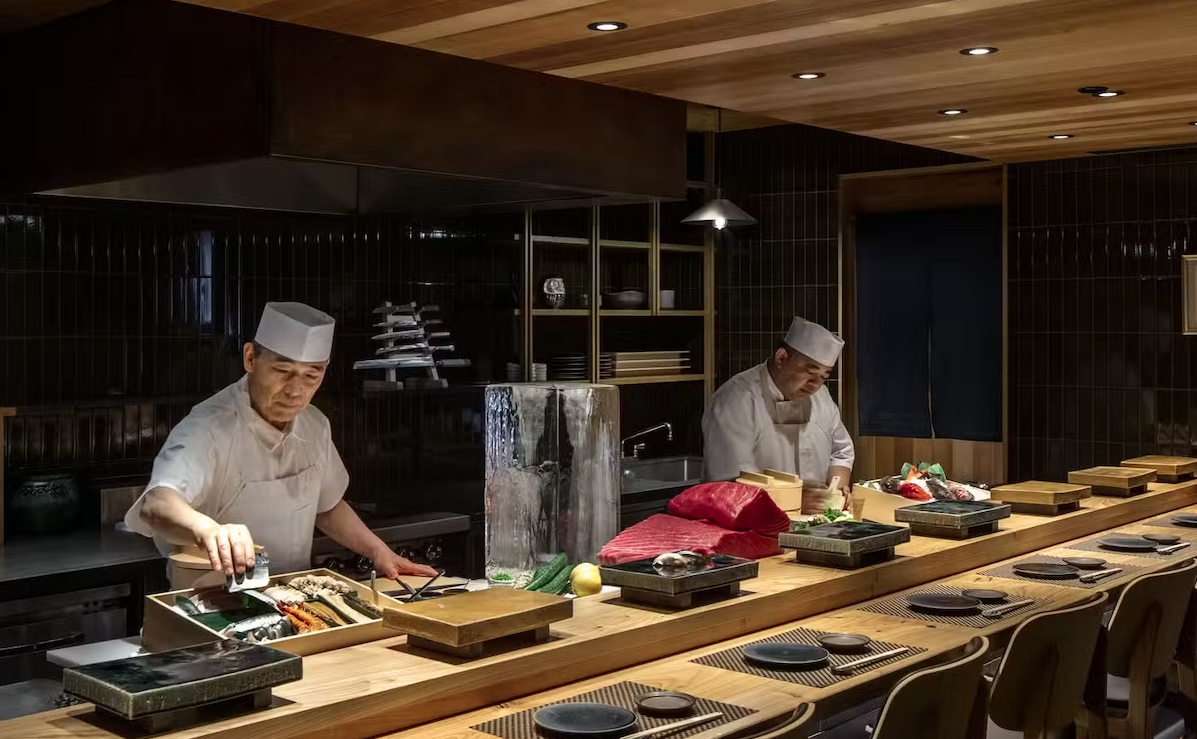
The room holds nine seats at a chef’s counter and two booths along the opposite wall. Forty people per service, four nights a week. This is not a restaurant designed for volume. It is designed for attention and the physical space enforces that intention. The counter is pale sycamore, long and clean. Above it, a skylight saturates the room in diffused natural light during the early part of the evening. The materials are simple and the effect is not: it is the kind of room that makes you sit up slightly straighter without quite knowing why.
Toshi-san, as everyone calls him, works the counter himself four nights a week. He is seventy years old and received his first Michelin star last September, making him the oldest sushi chef in the United States to earn that recognition for the first time. The Michelin Guide noted this without apparent irony, and there is none intended here either. Forty years is a long time to be building toward a moment. When it arrives, the appropriate response is not irony. It is attention.
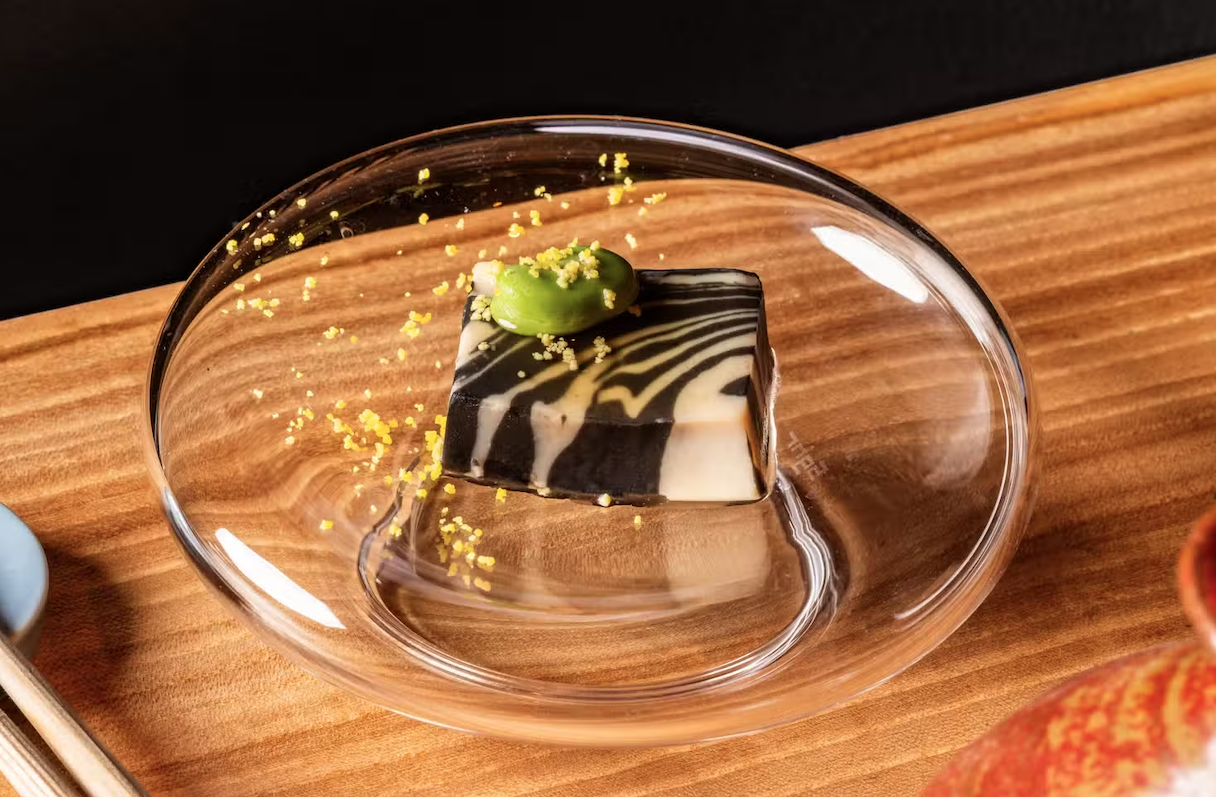
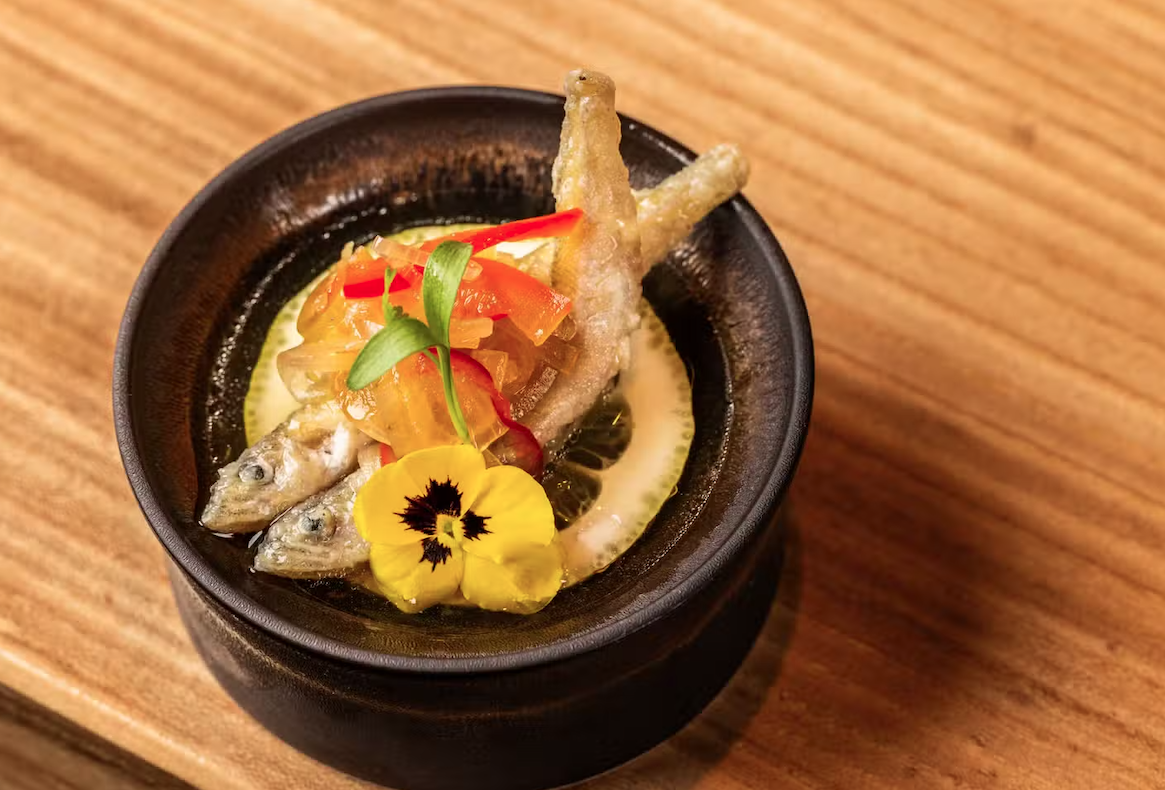
The meal is twenty courses, priced at $250 per person, and it moves in the Edomae tradition; the two-hundred-year-old Tokyo style of sushi that treats each ingredient as a statement rather than a delivery mechanism. The progression begins with small dishes: a gorgeously marbled black-and-white sesame tofu, a snow crab chawanmushi that is silky and restrained, a whole fried shrimp that is exactly as satisfying as it sounds. These are the amuse-bouche of a chef who understands that the job of the early courses is to prepare you rather than to impress you.
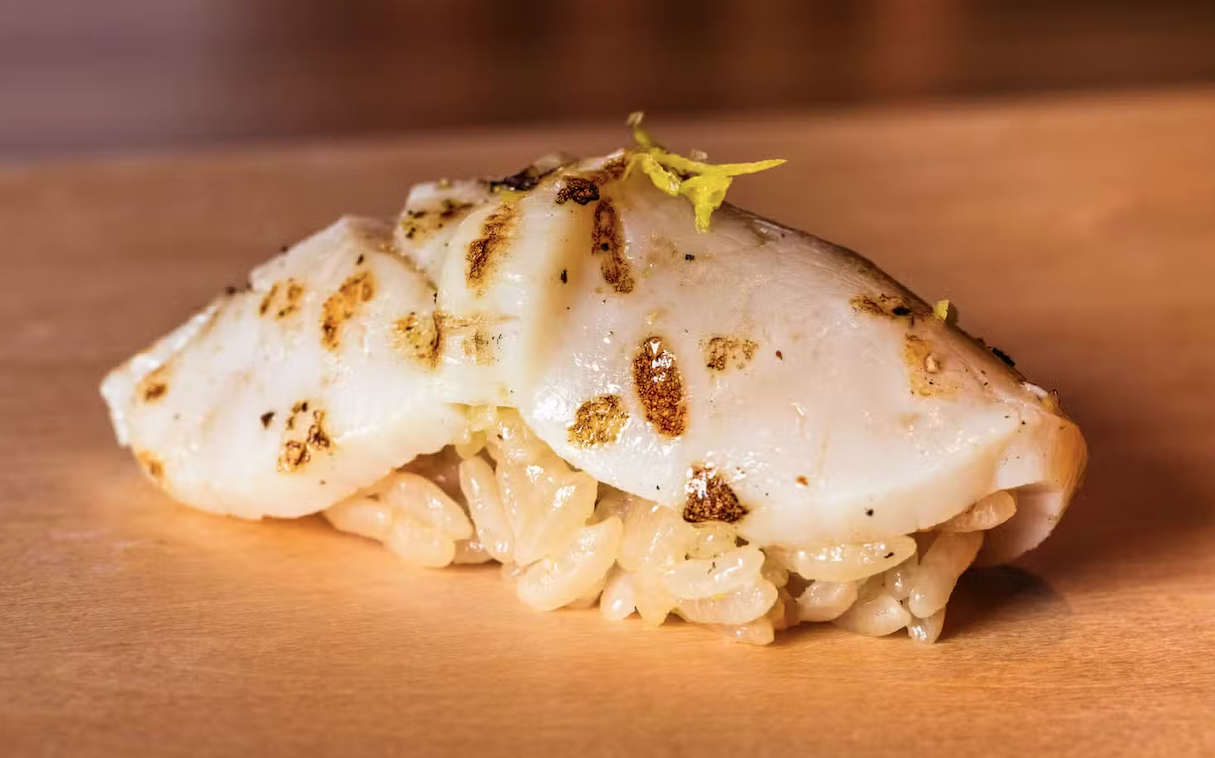
The nigiri, when it comes, is the argument. Snapper from Chiba Prefecture. Sweet shrimp from Canada. Black-throat sea perch, buttery and lightly seared, which the Michelin inspectors described accurately as exceptional and which I would describe the same way, having no better word for it. The kohada, silver-skinned, vinegar-accented gizzard shad is Kizaki’s own declared favorite, and eating it, you understand why. It is the kind of fish that asks nothing of you except that you pay attention. The rice is served between 80 and 90 degrees Fahrenheit, which is body temperature, which is the temperature at which you stop noticing the rice as a separate thing and simply experience the piece as a whole. This is not an accident. Nothing here is.
The wasabi comes from Shizuoka Prefecture. The nori is sourced directly from Japan. The vegetables served one evening came from a Pearl Street farmers market. The fall foliage decorating the tables, on the night a reviewer visited in the autumn, had been collected from Washington Park by Chef Kizaki himself that morning. These details are not pretension. They are the evidence of a man who has been thinking about these things for forty years and still thinks about them every day.
At the end of the meal, Toshi-san signs the menu. He places a ceramic penguin in front of each guest. He smiles. These are not the gestures of a chef performing warmth for the benefit of his reviews. They are the gestures of a man who has built something he loves and wants the people sitting at his counter to understand that.
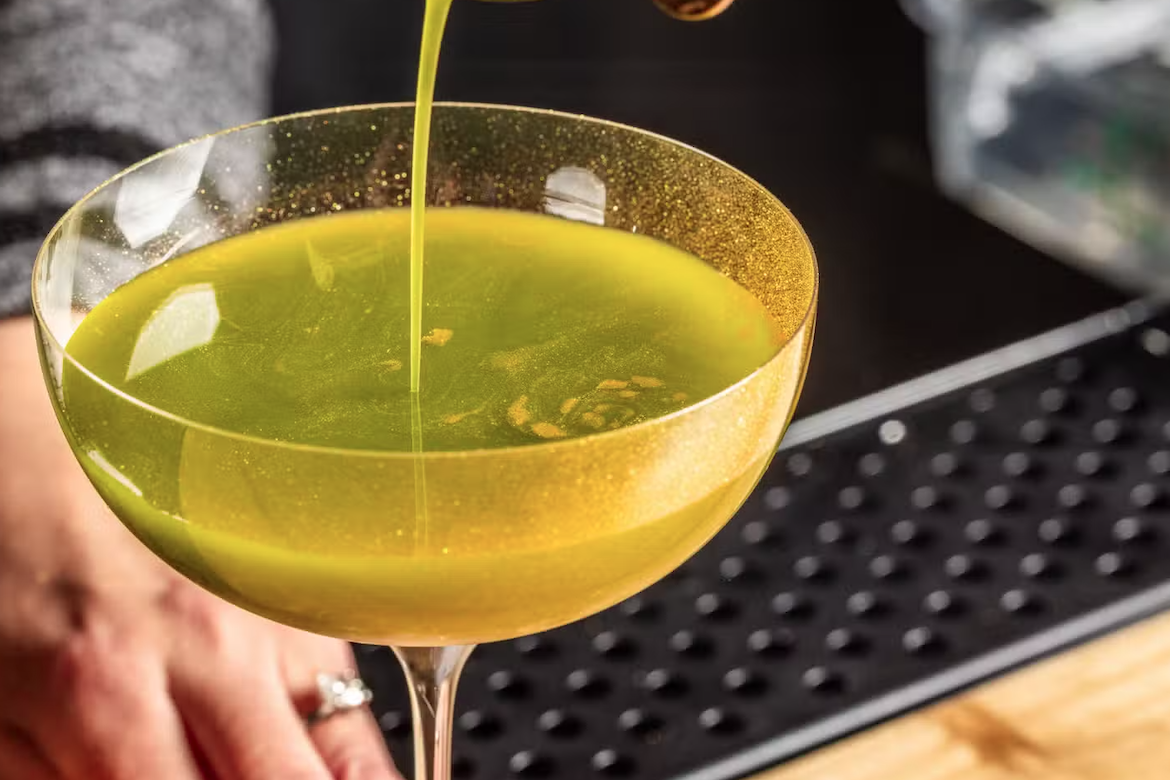
The beverage program, sake, Japanese whisky, and wine is handled by beverage director Yuki Minakawa and is, by the standards of a restaurant this focused on the food, remarkably good. The sake pairings are the obvious choice and the correct one. The wine list exists and is not embarrassing, which is all one asks of a wine list at an omakase counter where the fish is the reason you came.
A word on the price, because $250 is a number that requires acknowledgment. It is a serious sum for a dinner in Denver, which has historically priced its serious restaurants at a slight discount to the coasts. Kizaki does not offer that discount. It offers, instead, a meal that is worth the number; not because Michelin stars confer value by definition, but because twenty courses of fish sourced and prepared at this level of care, in a room of this quality, by a chef of this experience, is simply not available at a lower price point. The market, on this one, has it right.
Denver has been building toward a restaurant like this for years. The arrival of the Michelin Guide in Colorado in 2023 announced to the country that what was happening here was worth paying attention to. Kizaki makes the same announcement, more quietly, nine seats at a time. It is the most serious meal in Denver right now. It is also, by some distance, the most personal one. Forty years in a single city, and this is what it looks like when a chef finally makes exactly the restaurant he always meant to make.
—
KIZAKI · PLATT PARK, DENVER
Address: 1551 S. Pearl St., Denver, CO 80210
Reservations: kizakiden.com · 720-512-2753
Hours: Wednesday–Saturday, 5pm–10:30pm
Price: $250 per person omakase · Sake & wine pairings additional
Accolades: One MICHELIN Star (2025) · Esquire Best New Restaurants in America 2025
Seats: 9 at chef’s counter + 2 booths · 40 guests per service