
How to Pair Wine with Asparagus and Artichokes
If you are new to food and wine pairings, you will learn quickly that certain foods just don’t taste well with wine. Asparagus and artichokes are two foods that really challenge the palate. In this guide, you will learn why these foods are challenging and what wines work best. The bottom of the post has a quick cheat sheet on how to pair wine with asparagus and artichokes!
Why are asparagus and artichokes so hard to pair with wine?
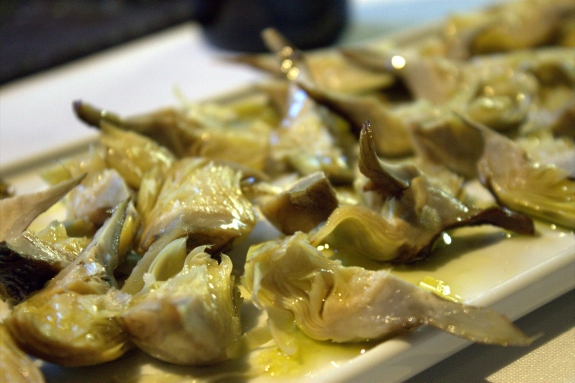
Artichokes are challenging because they contain a compound called cynarin. This compound inhibits taste receptors, making foods seem sweet, which means some wines will taste unpleasantly sweet to the taste when paired with them.
Asparagus is challenging because it contains sulfur compounds, which attribute metallic and vegetal characteristics, which, in turn, accentuate these flavors when paired with the wrong wines.
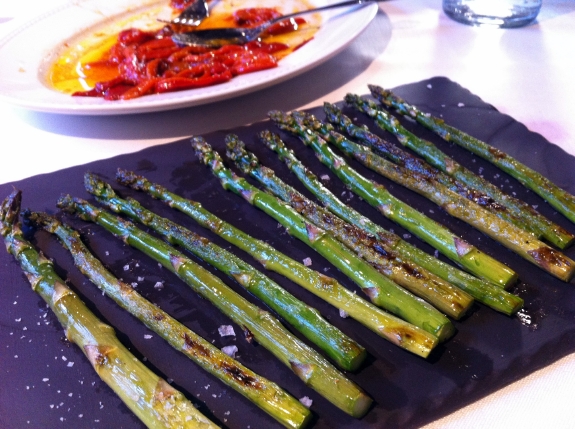
Now, in order to counter-balance and compliment the compounds, I recommend finding wines that are uncommon, obscure, or hard to pronounce. These grape names have a better chance at paring success. Trust me on this!
Suggested wine styles and varieties to pair with asparagus and artichokes:
Grüner Veltliner
What is it: Grüner Veltliner (GREW-nuhr Felt-LEEN-ehr), also known by its much shorter (and easier to pronounce) name, Gru–Vee is a white wine that has been around the block more than once, but has never caught international attention, which is too bad, because it is a very versatile wine full of spunk which makes it a great food pairing wine
Styles and flavors: Dry with spicy, peppery notes or lemon and cucumber
Regions that work well: Austria, Slovakia, and the Czech Republic
Why it pairs well: Gru-Vee’s flirtatiousness makes it fun and easy to pair with many kinds of dishes, from Asian to vegetables, salads and spices to schnitzel and charcuteries
What not to do: Everyone loves cream-based sauces; just don’t ladle this sauce on the vegetables because it will not pair well with Gru–Vee!
Sémillon
What is it? Sémillon (Seh-mee-yohn) is a thick-skinned grape that is the darling of desert wines (think Château d’Yquem!) but it also produces some mighty fine dry wines that are full in body and low in acidity.
Styles and flavors: Dry with apple, pear, lemon, fig and hazelnut
Regions that work well: Australian Semillon-Sauvignon blanc blends (also known as SSB) work extremely well, but wines from Argentina, Canada, Chile, France, South Africa, and the U.S. (specifically Washington State, Southern Oregon and California) will also fit the bill
Why it pairs well: Semillon’s low acidity and uncompetitive presence accentuates the vegetables so that they become the focus point
What not to do: Semillon does not like excessive salt, so easy does it on the vegetables!
Godello
What is it? Godello is a superbly perfumed, aromatic white from Spain.
Styles and flavors: Arrays of mineral, peach and melon with zesty lemon-lime undertones
Regions that work well: Godello is native to Spain, tucked away in a remote and rustic region known as Valdeorras, although you can find smaller plantings in the Bierzo Denominación de Origen (DO)
Why it pairs well: Godello has the right amount of acidity to complement asparagus and artichokes. If you can’t find a Godello, Albarino works well too.
What not to do: Heavily oaked whites will not work well, so make sure the style is aged in stainless steel or is lightly oaked
Tempranillo
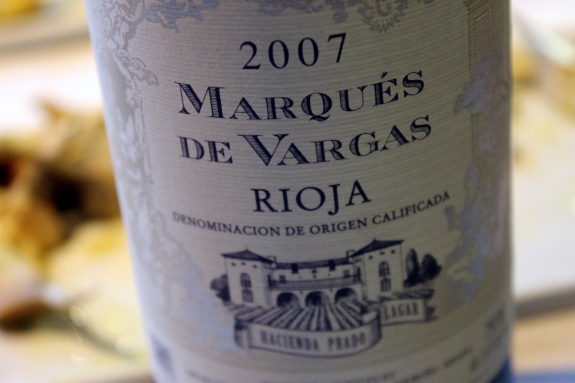
What is it? Tempranillo is Rioja’s signature grape. Other parts of the world such as Argentina, Australia, Chile, Portugal and the U.S. grow it as well.
Styles and flavors: Light to full bodied dry reds
Regions that work well: Almost any region in Spain
Why it pairs well: The wines are elegant and complex without overshadowing the food. Stick with simple grilled vegetable preparations
What not to do: Tempranillo clashes with vinaigrettes, so stay away from it
Verdejo
What is it? Verdejo is a crisp white wine from Spain that has a lot of acidity
Styles and flavors: Dry with citrus and pear flavors
Regions that work well: Verdejo is unique to Spain, although a Sauvignon blanc would make for a good substitute if you can’t find a Verdejo
Why it pairs well: It is a clean and straightforward wine that allows the vegetables to take center stage
What not to do: Verdejo can taste too tart when paired with creamy, rich dishes, so stay away from hollandaise or creamy sauces on the vegetables. Grilled with a little bit of thyme and lemon or vinaigrette would be perfect!
Marsanne
What is it? Marsanne is a white wine most often found in the Northern Rhône of France, often blended with Roussanne.
Styles and flavors: Dry with rich, nutty flavors with some spice and pear notes.
Regions that work well: Northern Rhone and Spain, where many know it as Marsana.
Why it pairs well: Wines pair best with locally grown ingredients. In Provence and Northern Spain, natural pairings between local wine and local cuisine make for perfect pairings, and asparagus reigns supreme in both.
What not to do: Heavily oaked whites will not work well, so make sure the style is aged in stainless steel or is lightly oaked.
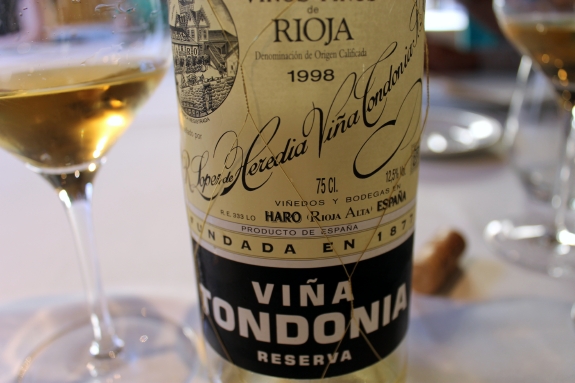
Macabeo (Viura)
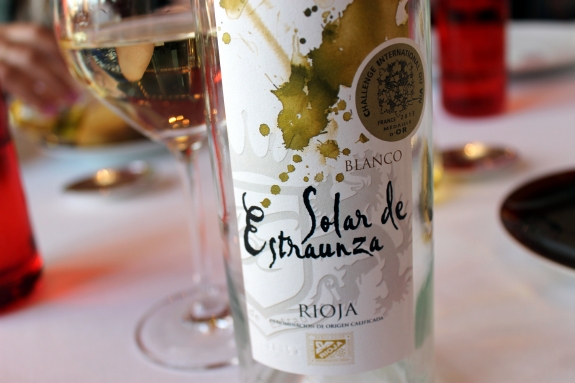
What is it? Macabeo (also known as Viura in Rioja) is a versatile white grape grown in the north and east of Spain
Styles and flavors: Fresh and aromatic when harvested early or nutty and honeyed when harvested late
Regions that work well: Northern Spain or Southern France
Why it pairs well: Vivid flavored wines love pairings with vegetarian dishes
What not to do: Macabeo does not pair with salty or earthy dishes. Also stay away from mushrooms, onions or garlic
Sparkling Wines
What is it? Sparkling wines like Champagne (France), Cava (Spain), Prosecco (Italy), Anderson Valley (CA, USA)
Styles and flavors: Dry with rich, nutty flavors with some spice and pear notes
Regions that work well: France (Champagne), Northern Rhone, Spain, Italy and Anderson Valley
Why it pairs well: Sparklers are fruit driven wines that are high in acidity and low in alcohol, which makes them perfect food wines. They are versatile and go with everything from popcorn to fried chicken and asparagus
What not to do: Oaked sparklers will not work well but you won’t have to worry since aging in oak is rare!
Cheat Sheet!
How to Pair Wine with Asparagus and Artichokes
- Unknown (or strange sounding) grape names have a better chance at paring success. Find grapes like Gruner Veltliner and Sémillon (rather than Chardonnay). They will taste better with asparagus and artichokes!
- Avoid wines that have a lot of oak or tannin
- Find wines that are bright, zippy and aromatic with good acidity
- Moderate alcohol wines work best! Stay away from high alcohol (e.g. California Viognier)—they won’t work!
- Avoid overly fruity or sweet white wines

Have you try them with sherry wines?
Maybe the best option!
Excellent suggestion Carlos! Agreed, Sherry will work too.