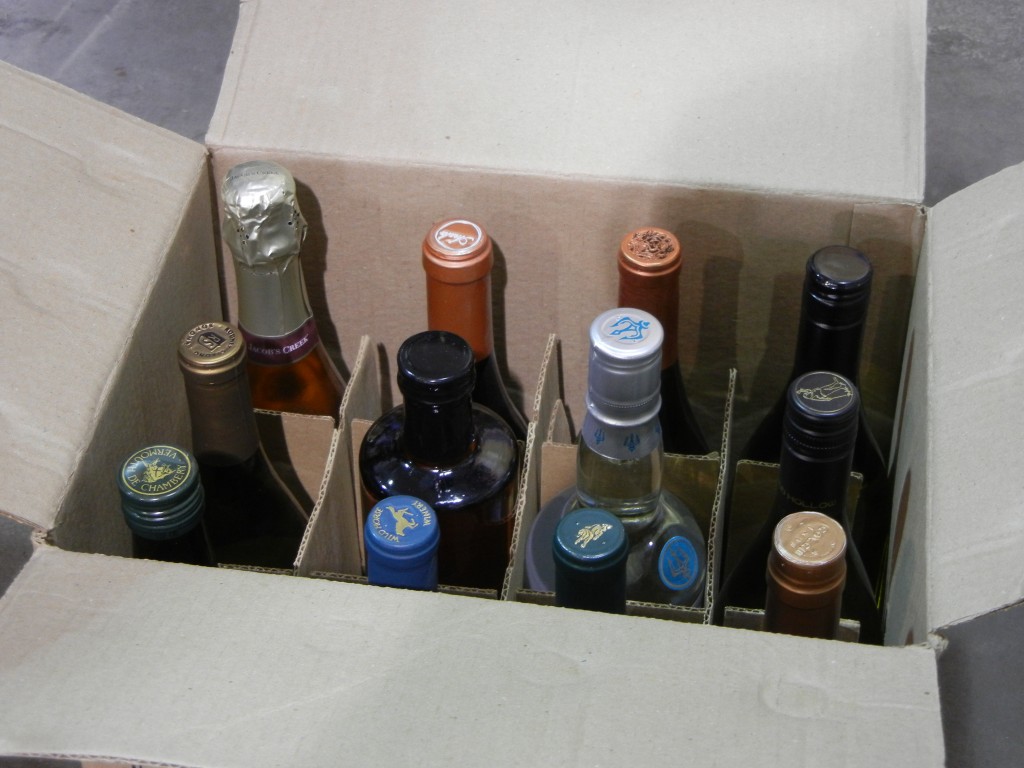
Txakoli is light, fizzy, and costs less than your lunch
I discovered Txakoli the way I discover most good things—by accident, at a Bilbao restaurant where I’d ordered the house white because everything else seemed too complicated or too expensive. The server poured it from high above the glass, which seemed unnecessarily theatrical until I tasted it. It was bright, slightly fizzy, bracingly tart, and exactly what I wanted without knowing I wanted it.
“What is this?” I asked.
“Txakoli,” she said, pronouncing it “chock-oh-lee.” “It’s from the Basque Country.”
I’d never heard of it. Which, it turns out, is the problem and also the point.
What It Actually Is
Txakoli (also spelled Txakolina) is a white wine from Spain’s Basque region, primarily from areas near Bilbao and San Sebastian. It’s made mostly from the Hondarrabi Zuri grape, which you’ve definitely never heard of, grown on trellises that face the Atlantic Ocean. The climate is cool, rainy, and completely unlike what most people imagine when they think of Spanish wine country.
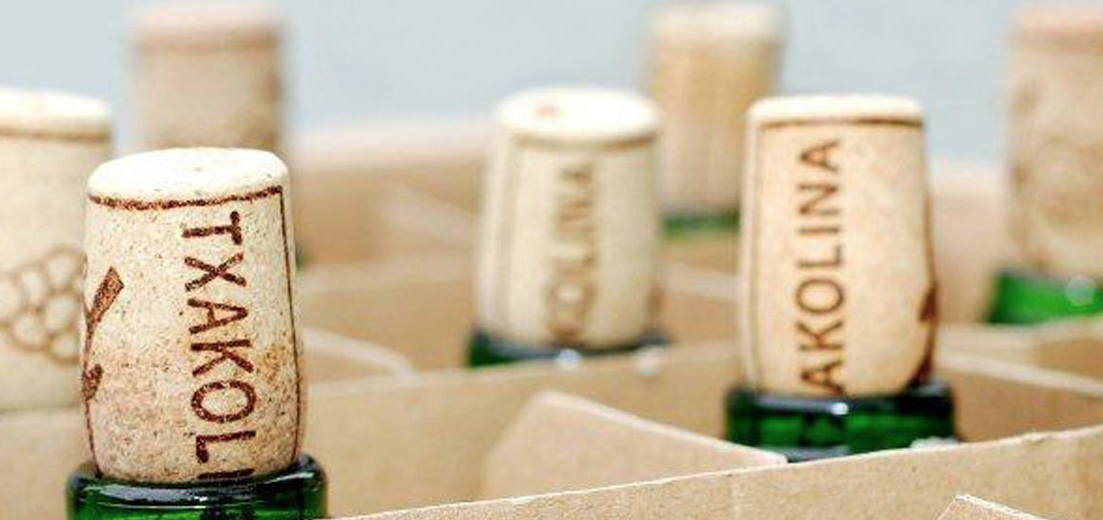
The result is a wine that’s light—usually around 10-11% alcohol, with high acidity, a slight spritz, and flavors that taste like green apple, lime zest, and sea air. It’s the kind of wine that makes you want to eat oysters or grilled fish or stand on a coastal cliff looking pensively at the horizon.
The traditional serving method involves pouring it from a height into the glass, which aerates the wine and emphasizes the bubbles. In Basque bars, servers do this with casual precision. At home, I just pour it normally because I don’t need wine on my counter.
Where It Comes From
The Basque Country sits in northern Spain, right on the Bay of Biscay. It’s green, wet, and dramatically beautiful—less siesta, more fog and fishing villages. Wine has been made here for centuries, but Txakoli remained mostly local until recently. Basque people drank it at pintxos bars (their version of tapas), poured it at family gatherings, and didn’t bother explaining it to outsiders.
Now, thankfully, it’s starting to appear in American wine shops and restaurants, usually filed under “Spanish white” or occasionally mislabeled as a sparkling wine, which it’s not. It has a slight natural effervescence from being bottled early, but it’s not Champagne. It’s not trying to be.
There are three main production areas: Getariako Txakolina (near the coast), Bizkaiko Txakolina (around Bilbao), and Arabako Txakolina (inland). The coastal versions tend to be more saline and crisp. The inland ones are slightly rounder. All of them are refreshing.
Why You Should Try It
It’s low alcohol. Most wines these days hover around 14-15% ABV, which is fine until you realize you’ve had two glasses and feel like you need a nap. Txakoli sits at 10-11%, which means you can have a glass with lunch and still function as an adult for the rest of the day. This matters more than wine people want to admit.
It tastes alive. There’s something about the acidity and the slight fizz that makes Txakoli feel vibrant in a way that many white wines don’t. It wakes up your palate instead of coating it. It’s the kind of wine that makes you want another sip immediately, which is either a feature or a warning depending on your self-control.
It’s absurdly food-friendly. High acidity means it pairs with almost everything—seafood obviously, but also fried foods, salads, cheese, vegetables, even spicy dishes. I’ve had it with Thai takeout and it worked. This is not a wine that demands specific treatment.
It costs $15-25. In a world where decent wine increasingly means spending $30 or more, Txakoli is a relief. You can find excellent bottles for under $20. Producers like Ameztoi, Txomin Etxaniz, and Gaintza are all solid and widely available. Even the pricier bottles rarely break $25.
What It’s Actually Like
If you’ve had Vinho Verde, the slightly fizzy Portuguese wine, Txakoli is in the same family—but sharper, more focused, with less residual sweetness. If you like Muscadet or Albariño, you’ll probably like this. If you think white wine is boring, this might change your mind.
The first time you try it, you might find it too tart, too lean, too much. That’s the acidity talking. Give it a second chance, ideally with food. The acidity is the whole point—it’s what makes the wine so refreshing and so versatile.
Some people complain that Txakoli is too simple, that it doesn’t have the complexity or aging potential of more serious wines. Those people are missing the point. Txakoli isn’t trying to be serious. It’s trying to be delicious and easy and appropriate for a Tuesday.
Txakoli Pairings
Keep a bottle in your fridge. Pour it when you get home from work and need to decompress. Serve it at summer gatherings when it’s too hot for red wine and you don’t want to spend $40 on something people will drink too quickly to appreciate.
Pair it with:
- Anything from the sea
- Cheese and charcuterie
- Summer salads
- Fried chicken
- Your neighbor’s potluck contribution that you’re not sure about
Don’t overthink it. Don’t save it for a special occasion. This is an everyday wine that happens to be good.
The Real Appeal
What I appreciate most about Txakoli is that it knows what it is. It’s not pretending to be an investment-worthy collectible. It’s not marketing itself as artisanal or natural or revolutionary. It’s just a straightforward, well-made wine from a specific place, sold at a reasonable price, designed to be drunk young and often.
In other words, it’s the opposite of most wine marketing these days. And that might be the best reason to try it.
I bought my first bottle as an experiment. I now keep two in the fridge most times, which tells you everything you need to know about whether this worked out.