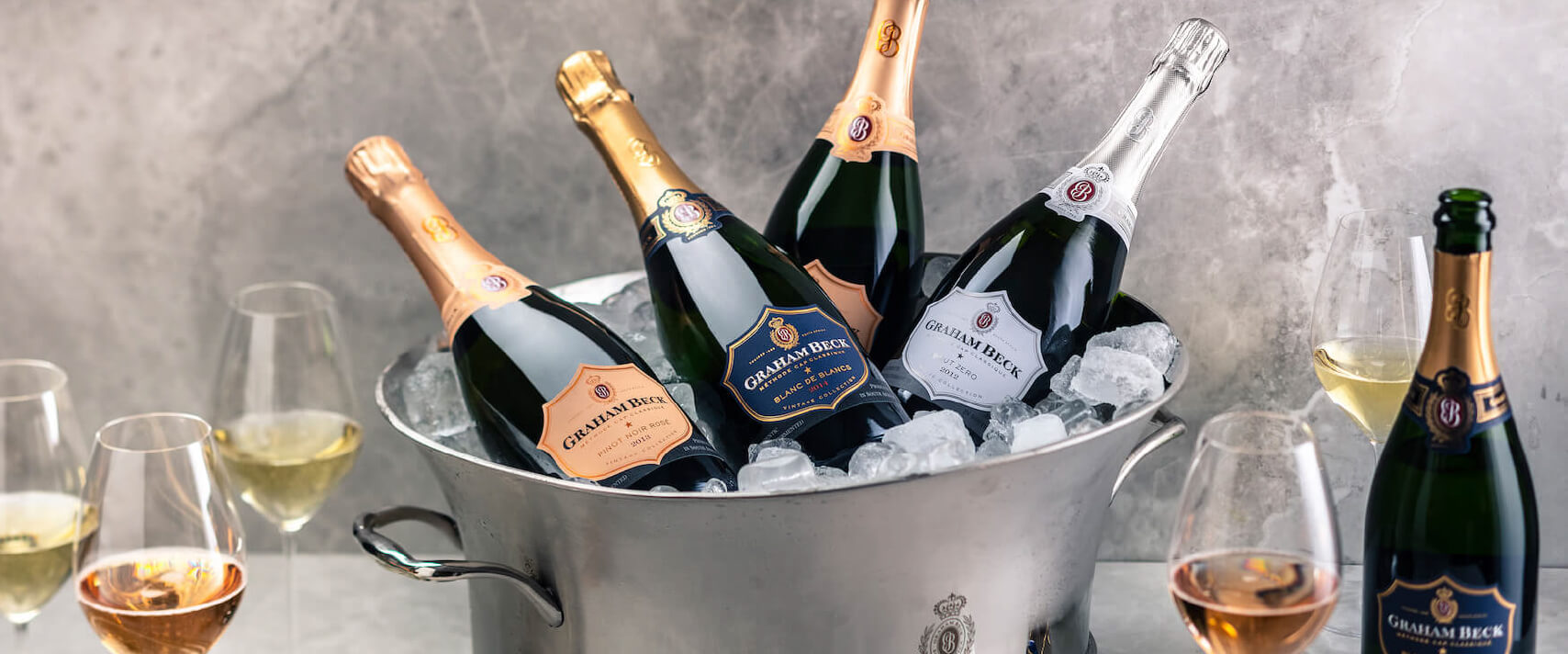
I’ve spent years watching people open Champagne for a quick toast at Thanksgiving and then immediately switch to still wine for the meal, as if the good part is over. This seems backward to me. Sparkling wine might be the best possible pairing for Thanksgiving dinner, and I’ve become evangelical about keeping it on the table throughout the meal.
The acidity and effervescence of sparkling wine cut through rich, fatty foods in a way that still wines can’t quite match. All that butter in the mashed potatoes, the richness of dark meat, the heaviness of stuffing—sparkling wine refreshes your palate instead of adding to the weight of the meal. It makes every bite taste like the first bite, which is exactly what you want when you’re eating your way through multiple courses.
Why Sparkling Wine Works
Turkey itself is fairly neutral, which means it can pair with almost anything, but the Thanksgiving table is never just turkey. You’re dealing with sweet potatoes, tart cranberry sauce, savory gravy, herbs in the stuffing, and maybe some green beans that someone made too sweet. No single still wine pairs perfectly with all of that, but the bubbles and bright acidity of sparkling wine can handle the range.
There’s also something about the celebratory nature of sparkling wine that fits the occasion. Thanksgiving is technically a holiday, even if it often feels more like an endurance event, and drinking something festive helps maintain that energy. Still wine can make you sleepy after a couple of glasses. Sparkling wine keeps things lively.
Start with Champagne If You Can
Real Champagne remains the gold standard for good reason. The combination of richness and acidity, that toasty quality from aging on the lees, and the fine, persistent bubbles make it uniquely suited to rich food. A Brut Champagne, in particular, has enough dryness to balance the sweet elements on the table without tasting austere.
The problem, obviously, is cost. Good Champagne is expensive, and it’s hard to justify spending fifty dollars or more per bottle when you need enough for the entire meal. But if you’re only buying one or two bottles and mixing in less expensive options, I think it’s worth having at least one proper Champagne on the table. It elevates the meal in a way that feels appropriate for the holiday.
Look for grower Champagnes if you want something special without the premium of the big houses. These smaller producers often offer better value, and the wines tend to have more personality. A good wine shop can point you toward options in the forty to fifty dollar range that drink like wines costing much more.
Crémant Is Your Best Value
If Champagne isn’t in the budget, the best alternative is Crémant, which is sparkling wine made in France using the same traditional method as Champagne but from different regions. Crémant de Loire, Crémant de Bourgogne, and Crémant d’Alsace all offer that same elegant quality at a fraction of the price—often fifteen to twenty-five dollars per bottle.
I’m particularly fond of Crémant de Loire for Thanksgiving. It’s made primarily from Chenin Blanc, which has a bit more body than Chardonnay and handles the richer dishes well. The wines have that characteristic French restraint and dryness that keeps them from clashing with savory food. People who don’t normally like sparkling wine often enjoy Crémant because it’s less aggressively bubbly than Prosecco and more food-friendly.
Crémant de Bourgogne, made from Chardonnay and Pinot Noir, tastes the most like Champagne and works beautifully if you prefer something richer. It has enough weight to stand up to dark meat and gravy without overwhelming lighter dishes.
Cava for the Crowd
Spanish Cava is another excellent traditional-method sparkling wine that’s consistently affordable and reliably good. Most Cava falls in the ten to twenty dollar range, which makes it practical if you’re buying multiple bottles for a large gathering.
The flavor profile of Cava is distinctly Spanish—it often has notes of almond and a slightly earthy quality that some people love and others find unusual. I think it works particularly well with sage-heavy stuffing and herb-roasted turkey. It’s less delicate than Champagne but no less interesting, and the value is hard to argue with.
Look for Reserva or Gran Reserva on the label if you want something more complex. These wines have been aged longer and develop richer, toastier flavors that approach the character of good Champagne at a much lower price point.
When to Serve Prosecco
Prosecco has a reputation for being too sweet and too simple for a serious meal, and there’s some truth to that. But a good Prosecco, especially one labeled Superiore from the Conegliano Valdobbiadene region, can be lovely with the lighter elements of Thanksgiving. It pairs especially well with vegetables and salads, less so with heavy, rich dishes.
I’d serve Prosecco during the cocktail hour or with appetizers rather than throughout the entire meal. It’s also a good choice if you’re hosting a crowd that includes people who don’t typically drink wine and might find Champagne or Crémant too dry. The slight fruitiness of Prosecco is more immediately approachable.
The main advantage of Prosecco is price and availability. You can find decent bottles for twelve to fifteen dollars at almost any store, and if someone doesn’t like it, you haven’t spent much. Just avoid the very cheap stuff, which tends to be cloyingly sweet.
Sparkling Rosé for Something Different
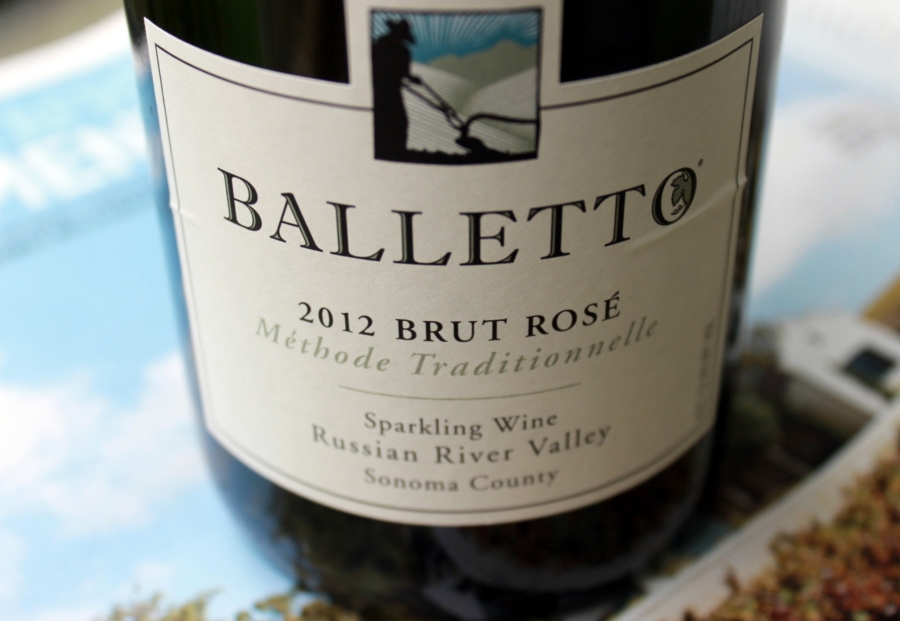
If you want to break from tradition entirely, consider sparkling rosé. It brings all the benefits of regular sparkling wine with a bit more fruit flavor and visual interest. The pink color feels festive, and the slight berry notes can complement cranberry sauce in a way that white sparkling wine doesn’t.
Rosé Champagne is spectacular but expensive. Look instead for Crémant Rosé or rosé Cava, both of which offer that same pretty color and fruity character at more reasonable prices. Sparkling rosé from California or Oregon is another option, though quality varies widely at the lower price points.
Serve It Throughout the Meal
Here’s my actual advice: buy more sparkling wine than you think you need and keep it coming throughout dinner. People will default to still wine because that’s what they’re used to, but if you keep refilling glasses with sparkling wine, most people will happily drink it all evening.
I typically buy one bottle of sparkling wine for every two to three guests and supplement with a couple of bottles of still wine for people who specifically request it. This ratio usually means I have some sparkling wine left over, which is fine—it keeps better than opened still wine and you’ll drink it eventually.
Make sure everything is properly chilled. Sparkling wine should be cold enough that the bottle feels almost uncomfortable to hold. Keep extra bottles in a cooler or in the refrigerator, and don’t let them sit out on the table warming up.
The goal is to make sparkling wine the default rather than the special-occasion alternative. Once people realize how good it tastes with the food, they’ll stop asking for red wine. And if they don’t, well, you tried. But I’m confident that after one Thanksgiving with proper sparkling wine on the table, you’ll wonder why you ever bothered with anything else.
And if you’re looking for an interactive wine calculator to identify how many bottles to purchase for your next event, there’s a post for that!