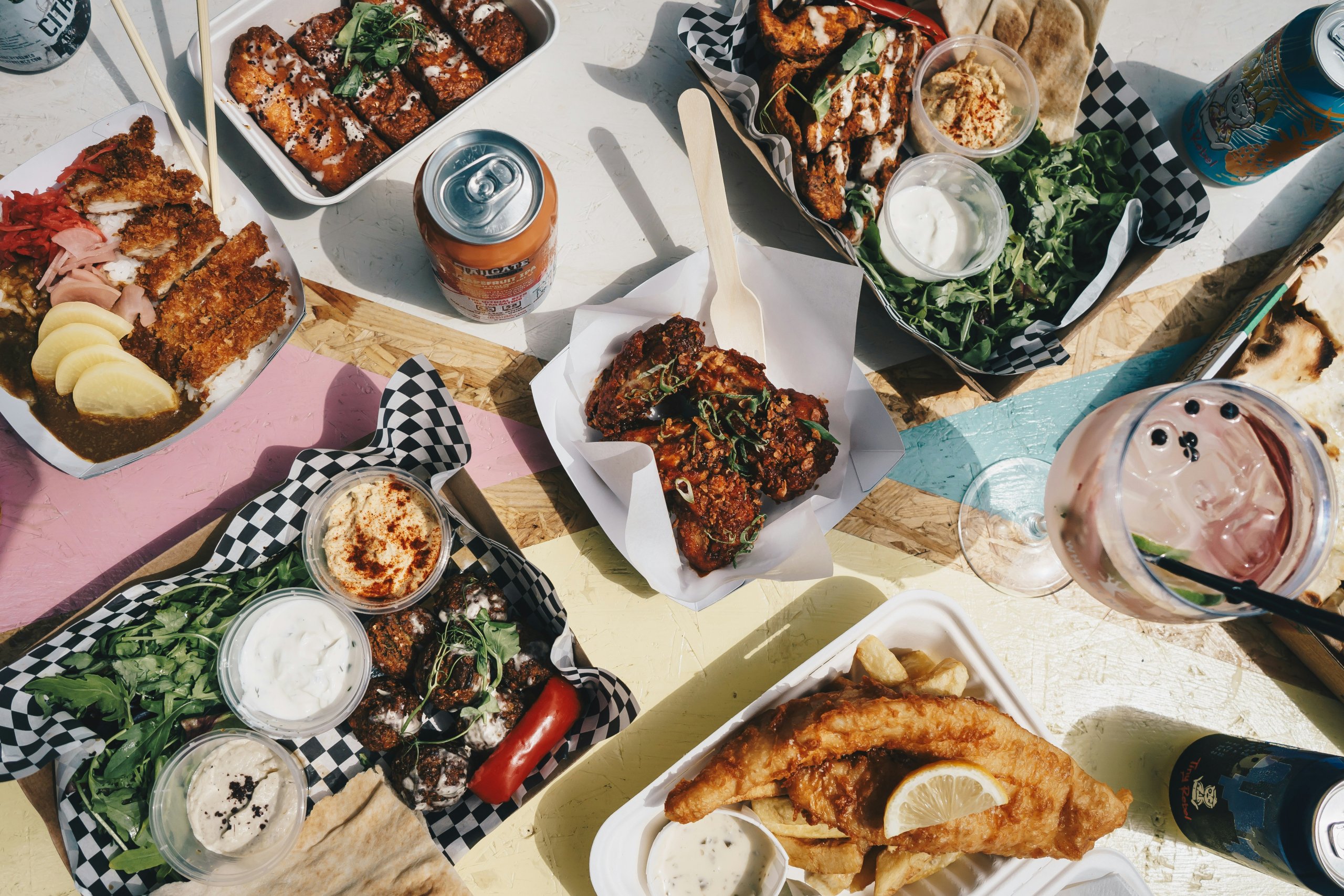
Because pad thai deserves better than whatever’s already open in your fridge
I used to think wine pairing was something you did at restaurants with white tablecloths, not at home with cardboard containers scattered across your coffee table. Then one night, on a whim, I opened a bottle of Riesling with my usual Thai takeout order, and something clicked. The wine didn’t just survive the heat and complexity of the curry—it elevated the whole experience into something that felt intentional rather than desperate.
Here’s what nobody tells you: takeout food is often more interesting and complex than what most of us cook at home, which means it’s actually better suited to thoughtful wine pairing than the plain chicken breast you roasted on Tuesday. The problem is that most wine pairing advice assumes you’re preparing food yourself, choosing ingredients carefully, and have some control over salt levels and spice intensity. Takeout operates under different rules.
You can’t ask the kitchen to go easy on the Sichuan peppercorns. You don’t know exactly what’s in that mole sauce. The heat level marked “medium” varies wildly from restaurant to restaurant. And yet, with a few guiding principles and some trial and error, you can turn your regular takeout rotation into something that feels less like giving up on cooking and more like a deliberate choice to pair interesting wine with interesting food.
The General Rules (That Actually Apply to Real Life)
Before we get into specific cuisines, here are the principles I’ve learned through years of ordering too much food and opening too many bottles to see what happens.
Spice needs sweetness or low alcohol, preferably both. This is the most important rule for takeout pairing. Heat from chilis doesn’t play well with high alcohol—it intensifies the burning sensation. Off-dry wines with a touch of residual sugar provide relief. This is why Riesling and Gewürztraminer work so well with spicy food, and why that big Cabernet you love with steak will make your vindaloo taste like punishment.
Fat needs acid. This applies to all food, but it’s especially relevant for takeout, which tends to be richer than what you’d make at home. That’s partly what makes it delicious, but it also means you need wines with bright acidity to cut through the richness. Think Sauvignon Blanc with creamy coconut curries, or a crisp Albariño with fried rice drowning in sauce.
Umami needs umami. Soy sauce, fish sauce, oyster sauce—these savory, umami-rich ingredients are everywhere in takeout. They pair beautifully with wines that have their own savory qualities. Aged wines, wines with some oak, and certain reds like Pinot Noir all have umami characteristics that complement rather than clash.
When in doubt, go lighter than you think. Takeout tends to be heavily seasoned, and bold wines can compete rather than complement. A lighter wine gives the food room to breathe. This was a hard lesson for me, someone who generally prefers bigger wines, but I’ve learned that restraint pays off.
Bubbles solve problems. Sparkling wine is the Swiss Army knife of takeout pairing. The carbonation cleanses your palate, the acidity cuts through fat, and the festive quality makes eating directly from containers feel less sad and more celebratory.
Wine and Chinese Takeout
Chinese-American takeout is its own category—sweet, savory, fried, and sauced in ways that have little to do with actual Chinese cuisine but everything to do with what Americans want on a Tuesday night. The wines that work best acknowledge this reality.
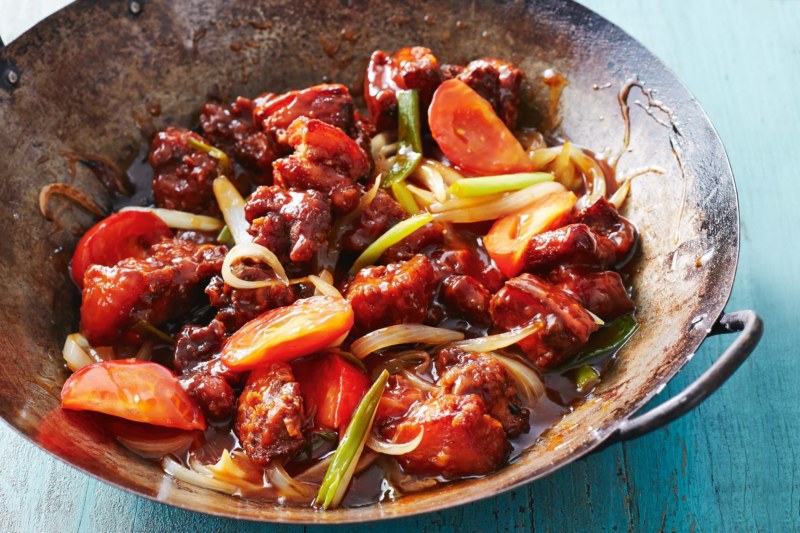
For sweet-and-sour anything, fried rice, or General Tso’s chicken: Off-dry Riesling or Gewürztraminer. The slight sweetness in these wines matches the sugar in the sauces without making everything cloying. I keep a bottle of Mosel Riesling specifically for Chinese takeout nights. It’s around $15, it’s reliably good, and it makes me feel like I’ve planned ahead even when I haven’t.
For dumplings, scallion pancakes, or anything with soy-based dipping sauce: Dry Riesling, Grüner Veltliner, or even Champagne. The salty-savory quality of soy sauce needs a wine with good acidity and some body. Grüner Veltliner, Austria’s great gift to wine drinkers who eat a lot of takeout, has a white pepper spiciness that works beautifully here.
For kung pao chicken or anything with chili oil: Chenin Blanc or off-dry rosé. You need something that can handle heat without adding fuel to the fire. I’ve had good luck with Vouvray, which has enough body to stand up to bold flavors and often has a touch of sweetness to tame the spice.
For lo mein or chow fun noodles: Light reds like Beaujolais or unoaked Pinot Noir. Noodle dishes are often less aggressively flavored than the saucy entrees, which means you have more flexibility. A chilled Beaujolais feels right with noodles in a way that’s hard to articulate but easy to appreciate.
What doesn’t work: Big, tannic reds. I learned this the hard way with a Cabernet and beef with broccoli. The tannins clashed with the soy sauce, the alcohol amplified the garlic, and I ended up drinking the wine separately from the food, which defeats the entire purpose.
If you’re looking for more inspiration, check out more Chinese Food and Wine Pairings.
Wine and Mexican Takeout
Mexican food is about bold flavors, heat, lime, cilantro, and the kind of richness that comes from cheese, sour cream, and beans cooked in lard (if you’re lucky). Wine pairing here is about matching that intensity without overwhelming it.

For tacos, burritos, or enchiladas: Tempranillo (Rioja), Garnacha, or Malbec. Mexican food can handle red wine better than Asian cuisines because it’s less about soy and fish sauce and more about tomatoes, peppers, and cumin—flavors that red wine understands. A young, fruity Rioja with tacos al pastor is one of life’s underrated pleasures.
For anything with a lot of cheese (quesadillas, nachos, chile rellenos): Albariño, unoaked Chardonnay, or dry rosé. You need acidity to cut through all that melted cheese. Albariño, Spain’s answer to Sauvignon Blanc but rounder and more textured, is particularly good here. It has a slight saline quality that works with the richness.
For ceviche or fish tacos: Sauvignon Blanc or Verdejo. Bright, citrusy wines mirror the lime in the food and have enough acidity to complement the fish. This is probably the easiest pairing in Mexican takeout—almost any crisp white wine will work.
For mole or anything with complex sauce: Off-dry Riesling or sparkling wine. Mole is sweet, spicy, chocolatey, and contains about twenty ingredients you can’t identify. It’s a challenge. Off-dry Riesling has the versatility to handle all that complexity. Alternatively, just open Prosecco and call it a day.
For chips and salsa while you wait for the rest of the food: Whatever you’re planning to drink with dinner, honestly. But if you want to be fancy about it, a cold beer is probably better. Some battles aren’t worth fighting.
What doesn’t work: Oaky, buttery Chardonnay. The oak clashes with cumin and cilantro in a way that’s deeply unpleasant. I ordered enchiladas verdes once and opened the wrong Chardonnay. It was a learning experience, which is what we call mistakes that involve wine. And if you’re looking for more inspiration, check out this post on Mexican food and wine pairings plus a quick guide on using the Mexican sauces to find the right wine.
Wine and Thai Takeout
Thai food is where wine pairing gets both fun and challenging. The flavors are intense—sweet, sour, salty, spicy, often all in the same dish. The wrong wine will either disappear entirely or make the food taste wrong. The right wine creates the kind of harmony that makes you wonder why you don’t do this more often.

For pad thai or pad see ew: Off-dry Riesling or Chenin Blanc. The tamarind in pad thai has a sweet-sour quality that wants a wine with some fruit and good acidity. German or Alsatian Riesling with a touch of sweetness is almost perfect here. I’ve also had good results with Chenin Blanc from the Loire Valley, which has honey and apple notes that work with the peanuts and lime.
For green curry, red curry, or any curry: Gewürztraminer or off-dry rosé. The coconut milk needs acidity, the spice needs sweetness, and the lemongrass and galangal need a wine that won’t be bullied. Gewürztraminer has a lychee and rose petal quality that somehow makes sense with Thai spices. It’s not subtle, but neither is green curry.
For som tam (papaya salad) or larb: Sauvignon Blanc or Grüner Veltliner. These are herb-heavy, bright, acidic dishes that want an equally bright, acidic wine. New Zealand Sauvignon Blanc, with its aggressive grapefruit and lime notes, can actually hold its own against fish sauce and chili.
For drunken noodles or basil chicken: Beaujolais or Pinot Noir. Yes, you can drink red wine with Thai food. The basil and savory quality of these dishes work with light, fruity reds. Serve the wine slightly chilled and don’t overthink it.
For Thai iced tea and mango sticky rice: You’re done with wine at this point. Just enjoy your dessert. Although, if you must, a late harvest Riesling or Moscato d’Asti wouldn’t be terrible with mango sticky rice. But honestly, Thai iced tea is perfect on its own.
What doesn’t work: Tannic reds, oaky whites, or anything with high alcohol. Thai food will expose every flaw in a wine. If the wine isn’t balanced, the food will make it taste even more unbalanced. Stick with aromatic whites and light reds, and you’ll be fine.
Wine and Indian Takeout
Indian food might be the most challenging cuisine for wine pairing, which is probably why the traditional pairing is beer or lassi. The spices are complex, the heat can be intense, and the range of dishes in a single order—rich curries, tandoori meats, crispy breads, cooling raita—can seem impossible to pair with one wine. But it can be done, especially if you’re willing to prioritize certain dishes over others.

For chicken tikka masala, butter chicken, or korma: Off-dry Riesling, Gewürztraminer, or Viognier. These creamy, tomato-based curries need wines with body and a touch of sweetness. Riesling is the safe choice, but Viognier—with its apricot and honeysuckle notes—is surprisingly good with butter chicken. The floral quality complements the garam masala in a way that feels almost intentional.
For vindaloo, jalfrezi, or anything marked “hot”: Slightly sweet rosé or very off-dry Riesling. You’re managing the heat here, not trying to compete with it. The residual sugar provides relief. I’ve found that Provence rosé, while bone-dry and not ideal, can work if you serve it very cold. But honestly, beer might be the better choice.
For tandoori chicken, lamb kebabs, or tikka: Grenache, Syrah, or even light Zinfandel. The smoky, charred quality of tandoori preparations can handle red wine. Grenache has a spicy, berry quality that works with the tandoori spices. Syrah adds a smoky note that mirrors the charring.
For saag paneer, dal, or vegetable dishes: Pinot Gris or Chenin Blanc. These dishes are less aggressively spiced than the meat curries, which gives you more flexibility. Pinot Gris has enough body for the spinach in saag paneer, and Chenin Blanc’s slight earthiness works with lentils.
For samosas and pakoras: Sparkling wine. The fried, spiced quality of these appetizers is perfect with bubbles. Cava or Prosecco will cleanse your palate between bites and make you feel like you’re at a much fancier establishment than you actually are.
For naan bread and raita: Whatever you’re drinking with the main dishes will be fine. Naan is wine’s friend—it’s mild, slightly sweet, and helps moderate the heat of the curries. Use it strategically to reset your palate if the pairing isn’t quite working.
What doesn’t work: Big, oaky wines or anything with high tannins. Indian spices will make tannins taste bitter and oak taste like sawdust. I once tried a big California Chardonnay with chicken tikka masala because it was what I had open. It was not good. The oak and butter fought with the tomatoes and cream in a way that made both the wine and the food taste worse.
The Wines to Keep on Hand
If you order takeout with any regularity, here are the bottles worth keeping around:
Off-dry Riesling (German Kabinett or Spätlese): This is your utility player. It works with Chinese, Thai, Indian, and even Mexican food. Expect to spend $15-25 for something good. Look for Mosel or Rheingau on the label.
Albariño or Grüner Veltliner: For when you need a dry white with personality and acidity. Both are food-friendly, neither is oaky, and both have enough body to stand up to bold flavors. $12-20 will get you something reliable.
Beaujolais or unoaked Pinot Noir: Your red wine option for takeout. Light, fruity, versatile, and better slightly chilled. Beaujolais-Villages or Morgon are good choices. $12-18.
Prosecco or Cava: For when you can’t decide or just want something festive. Bubbles work with almost everything and make eating takeout feel more celebratory. $10-15.
Gewürztraminer: Specifically for Thai and Indian food. It’s polarizing…people either love it or find it too perfumed, but if you’re in the love-it camp, it’s irreplaceable with spicy food. $15-20.
A Final Note on Imperfection
I’ve spent years trying to find perfect wine pairings for takeout, and here’s what I’ve learned: sometimes it doesn’t matter. Sometimes you’re tired, the food is hot, you’re hungry, and whatever wine is in your fridge will be fine. The goal isn’t perfection. It’s making your ordinary Tuesday night a little more pleasant.
That said, when you do find a pairing that works, when the wine actually makes the food taste better and vice versa—it’s worth noting what worked. I keep a running list in my phone of successful combinations. “Kung pao with Chenin Blanc” appears there, as does “Green curry with Gewürz” and “Carnitas tacos with Garnacha.” These aren’t universal truths, but they’re my truths, and they’ve made my takeout habit feel less like a failure to cook and more like a legitimate dining choice.
The wine industry wants you to believe that pairing requires expertise and expensive bottles. But some of the best pairings I’ve discovered have been with $15 wines and $30 worth of Thai food eaten while sitting on my couch in sweatpants. Perfect is the enemy of good, and good is more than sufficient when you’re just trying to make a regular weeknight feel a little special.
So the next time you order takeout, grab a bottle from this list, or try something new based on these principles, and see what happens. The worst that can happen is you learn what doesn’t work. The best that can happen is you find a combination that makes you look forward to your next takeout night—and maybe even plan for it. And if you need more inspiration on pairings, check out our food and wine pairings chart.