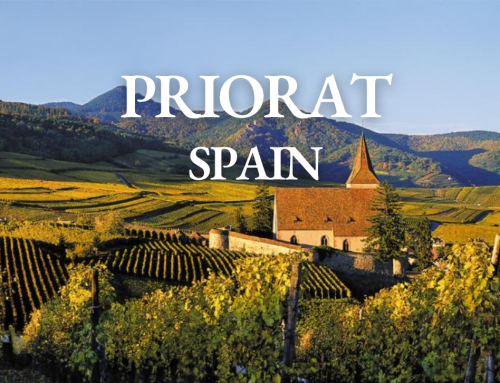
The first thing you need to know about Clare Valley is that it’s not where you think it is. When I told people I was spending two weeks in South Australia’s wine country, they assumed I meant the Barossa Valley—the big, famous neighbor everyone’s heard of. Clare Valley, just 90 minutes north, remains one of those rare wine regions that serious drinkers know about and casual tourists haven’t discovered yet. Which is exactly how the locals prefer it.
I arrived in early autumn, when the vines were turning gold and the air had that particular crispness that makes you want to drink Riesling at 11 a.m. (which I did, multiple times, without regret). What I found was a narrow valley stretching about 25 miles north to south, dotted with stone cottages, century-old churches, and vineyards that have been in the same families since the 1850s. No crowds. No tour buses. Just exceptionally good wine and people who’ve been making it long enough to have strong opinions about everything.
Why Clare Valley Matters
If you only know one thing about Clare Valley, it should be this: it makes what many consider to be the finest Riesling in the Southern Hemisphere. Maybe in the world. The German and Austrian wine purists can argue all they want, but I’ve tasted enough Clare Riesling to know that these wines, bright, bone-dry, with that electric acidity, are in a category of their own.
But here’s what surprised me: Clare Valley also makes outstanding Shiraz, Cabernet Sauvignon, and even Grenache. These are wines that have nothing to prove to anyone, made by people who’ve been doing this for generations and aren’t particularly interested in trends or scores or what’s happening in Napa.
The Lay of the Land

Credit: Winetourism.com
Clare Valley is skinny. It’s only about three miles wide in most places, and runs roughly north to south along a series of ridges. The elevation ranges from about 1,300 feet in the south to 1,800 feet in the north, which doesn’t sound like much until you realize that those extra 500 feet make a significant difference in temperature and ripening times.
The climate is what they call “continental.” Hot days, cool nights, and not much rainfall during the growing season. The soils are a patchwork of red-brown loams, limestone, and slate, depending on which sub-region you’re in. And unlike many Australian wine regions, there’s no irrigation allowed in many of the best vineyards. The vines go deep, or they don’t survive.
The Sub-Regions: A Journey
One of the things I love about Clare Valley is how distinct the sub-regions are. Drive 15 minutes and you’re in completely different terroir.
Polish Hill River
The northernmost sub-region and, in my opinion, the most interesting. Polish Hill River sits at the highest elevation in the valley—around 1,640 to 1,800 feet—which means cooler temperatures and slower ripening. The soils here are primarily slate and quartz over clay.
This is where Clare’s most elegant, age-worthy Rieslings come from. Think laser-focused acidity, citrus and stone fruit, with a minerality that tastes like the rocks themselves. These are not wines for immediate gratification. I opened a ten year old Polish Hill River Riesling from Grosset during my visit, and it was just hitting its stride—lime zest, honey, kerosene (in the best way), and enough acidity to make your mouth water.
The region takes its name from the Polish Jesuits who settled here in the 1840s. There’s still a tiny stone church from that era that’s worth visiting, mostly because it’s in the middle of nowhere and makes you realize how isolated this place once was.
Key Producers: Grosset, Kilikanoon, Paulett
 Grosset Vineyards
Watervale
Just south of Polish Hill River, Watervale is probably the most famous of Clare’s sub-regions. It’s slightly lower in elevation—around 1,475 to 1,640 feet—and the soils are a mix of red-brown loam over limestone and clay.
Watervale Riesling is a bit more generous than Polish Hill River, with riper fruit flavors and a rounder texture, but still with that signature Clare acidity. What became clear after sampling is that these wines don’t just age—they transform into something entirely different. The young wines are all citrus and flowers; the old wines are honey, toast, and petrol with this incredible waxy texture.
The town of Watervale itself is tiny. A handful of stone buildings, a pub, and not much else. But it’s charming in that way that small Australian country towns are, where everyone knows everyone and the pace of life is dictated by harvest rather than clocks.
Key Producers: Mitchell, Jim Barry, Rieslingfreak, Taylors (Wakefield)
Auburn
The geographic center of Clare Valley, Auburn is the closest thing the region has to a town of substance. It’s got a main street, a few cafés, some art galleries, and the kind of local bakery that makes you understand why Australians take their meat pies so seriously.
The vineyards around Auburn sit at around 1,310 to 1,475 feet, on gently rolling hills with predominantly red loam and limestone soils. This is prime Riesling country, but also where you start to see more Shiraz and Cabernet. The wines from Auburn tend to split the difference between the austerity of Polish Hill River and the generosity of Watervale.
I visited Pikes during vintage—that chaotic, beautiful time when everyone in the valley is picking grapes—and tasted their Riesling straight from the tank. Even at that early stage, you could taste the structure, the potential. It reminded me that great wine isn’t made in the bottle; it starts in the vineyard and the winemaker’s job is mostly to not screw it up.
Key Producers: Pikes, Mount Horrocks, Knappstein
Clare

The town of Clare is the valley’s unofficial capital and the largest settlement in the region. It’s where most of the winemakers actually live, where you’ll find proper restaurants (I recommend Seed), and where there’s actual cell phone service.
The vineyards around Clare proper are at similar elevations to Auburn, around 1,310 to 1,475 feet, with varied soils including terra rossa (red clay over limestone, famous in the Coonawarra region) that’s particularly good for Shiraz. The wines from this sub-region are approachable and food-friendly, with good fruit expression and balanced acidity.
This is also where you’ll find some of the valley’s oldest wineries, including Sevenhill Cellars, which was founded by Jesuit priests in 1851 and is still making sacramental wine alongside some genuinely excellent Riesling and Shiraz. There’s something quietly radical about a 170-year-old winery that’s both a working church and a commercial wine business, but in Clare Valley, it somehow makes perfect sense.
Key Producers: Sevenhill Cellars, Tim Adams, Skillogalee
Mintaro and Leasingham
The southern end of the valley, where things get a bit warmer and the focus shifts more toward red wines, particularly Shiraz and Cabernet Sauvignon. The elevation drops to around 1,310 feet, and the soils are predominantly red-brown loams.
Mintaro is a beautifully preserved town of slate cottages, many of them built in the 1850s and 1860s, that feels like it hasn’t changed much in 150 years. Leasingham, just to the south, is smaller still but has given its name to one of Clare’s larger wine brands.
The reds from this area are ripe and generous, with more immediate appeal than the structured, age-worthy wines from further north. But don’t underestimate them—I had a 15-year-old Mintaro Shiraz that had developed this beautiful savory complexity, with leather and tobacco alongside the dark fruit.
Key Producers: Paulett, O’Leary Walker, Taylors (Leasingham label)
The Grapes: What Grows Here
Riesling: The Star of the Show
Let’s be clear: Clare Valley is to Riesling what Burgundy is to Pinot Noir. This is the benchmark, the gold standard, the wine that defines the region.
Clare Riesling is bone-dry (or close to it), with vibrant acidity, intense citrus and stone fruit flavors, and that signature mineral edge. In their youth, these wines are all lime juice, green apple, and white flowers. With age (and these wines can age for decades) they develop honey, toast, petrol, and this incredible waxy, lanolin texture.
What I love about Clare Riesling is the purity. There’s no oak, no malolactic fermentation, no tricks. It’s just the grape, the site, and the winemaker’s skill. You can taste the difference between Polish Hill River and Watervale, between a cool vintage and a warm one, between a limestone slope and a slate ridge.
If you’re new to Clare Riesling, start with something young and mid-priced, maybe a Watervale from Mitchell or a standard release from Grosset. Drink it cold, with food (it’s magical with Asian cuisine, shellfish, or just a chunk of good cheese). Then, if you’re hooked, start exploring the older vintages and the single-vineyard wines.
Shiraz: The Worthy Second
Clare Valley Shiraz doesn’t get the attention it deserves, probably because everyone’s so focused on the Riesling. But these are serious wines—structured, age-worthy, with more restraint than Barossa Shiraz and more power than what you’ll find in cooler regions like the Adelaide Hills.
The style here is somewhere between the opulence of Barossa and the elegance of Yarra Valley. You get ripe dark fruit (blackberry, plum) alongside savory notes of black pepper, leather, and dried herbs. The tannins are firm but integrated, and the best examples have this beautiful graphite-like minerality.
I spent an evening at Wendouree, one of the most legendary (and hardest to find) wineries in Australia, tasting through their Shiraz lineup. These are wines that need a decade in the bottle before they start to make sense, but when they do, they’re extraordinary. Dense, structured, with layer upon layer of complexity.
But you don’t need to hunt down cult wines to experience good Clare Shiraz. Producers like Jim Barry, Tim Adams, and Kilikanoon are making excellent examples at reasonable prices.
Cabernet Sauvignon: The Classic
Cabernet thrives in Clare Valley’s warm days and cool nights, producing wines with ripe fruit, firm tannins, and excellent aging potential. The style is classic—cassis, cedar, tobacco, with good structure and moderate alcohol (for Australia).
These aren’t the big, extracted Cabernets you might find in warmer Australian regions. They have more in common with Bordeaux or Napa Valley…structured, balanced, built for the cellar. I had a 20-year-old Cabernet from Wendouree that showed how well these wines can age, developing leather, cigar box, and dried fruit alongside the core of cassis.
Grenache and Other Varieties
While Riesling, Shiraz, and Cabernet dominate, there are some exciting things happening with Grenache, Tempranillo, and even Semillon. The Grenache in particular—grown in warmer sites in the southern part of the valley can be spectacular: red-fruited, spicy, with a silky texture and moderate alcohol.
Skillogalee is making a beautiful Grenache that drinks like a cross between good Côtes du Rhône and something from McLaren Vale…approachable, food-friendly, genuinely delicious.
Clare Valley Varietals & Top Producers
From Benchmark Rieslings to Age-Worthy Reds
Riesling
WHITEClare Valley's signature grape and arguably the finest Riesling in the Southern Hemisphere. Bone-dry with electric acidity, intense citrus and stone fruit, and a distinctive mineral edge. These wines can age for decades, developing extraordinary complexity.
🍷 Tasting Profile
Young: Lime juice, green apple, white flowers, citrus zest. Aged: Honey, toast, petrol, waxy lanolin texture. High acidity throughout with pronounced minerality varying by sub-region.
📍 Best Sub-Regions
Polish Hill River for austere, age-worthy styles; Watervale for generous, accessible versions; Auburn and Clare for balanced expressions
Top Producers by Tier
The Legends
The Stalwarts
The Innovators
Shiraz
REDClare Valley's underrated red. More restrained than Barossa, more powerful than cooler regions—these wines strike a beautiful balance. Structured, age-worthy, with ripe dark fruit and savory complexity. The warm days and cool nights create wines with depth and elegance.
🍷 Tasting Profile
Ripe blackberry and plum, black pepper, leather, dried herbs, and graphite-like minerality. Firm but integrated tannins, moderate alcohol, excellent aging potential developing tobacco and earth notes.
📍 Best Sub-Regions
Clare town (terra rossa soils), Mintaro for riper styles; excellent examples also from Watervale and Auburn
Top Producers
Cabernet Sauvignon
REDClassic, structured Cabernet that benefits from Clare Valley's diurnal temperature range. These wines have more in common with Bordeaux or Napa than the big, extracted styles from warmer Australian regions. Built for the cellar with firm tannins and excellent aging potential.
🍷 Tasting Profile
Cassis, cedar, tobacco, with good structure and moderate alcohol. Ages beautifully, developing leather, cigar box, and dried fruit alongside the core black currant fruit.
📍 Best Sub-Regions
Predominantly from southern areas: Mintaro, Leasingham, and Clare town
Top Producers
Grenache & Other Varietals
REDWhile Riesling, Shiraz, and Cabernet dominate, exciting things are happening with Grenache, Tempranillo, and Semillon. Grenache in particular thrives in warmer sites, producing silky, red-fruited wines with moderate alcohol and immediate appeal.
🍷 Tasting Profile
Grenache: Red cherry, strawberry, white pepper, herbs, silky texture. Tempranillo: Dark fruit, leather, tobacco. These wines are approachable, food-friendly, and genuinely delicious.
📍 Best Sub-Regions
Warmer sites in the southern valley, particularly around Mintaro and Leasingham
Top Producers
The Producers: Who to Seek Out
The Legends
Grosset is the name everyone in Clare Valley mentions with a certain reverence. Jeffrey Grosset has been making wine here since 1981, and his Polish Hill and Watervale Rieslings are considered benchmarks for the region. These are wines of incredible precision and purity, built to age for decades. They’re not cheap, and they’re not always easy to find, but they’re worth seeking out.
Wendouree is the other legend, a tiny winery that releases minuscule quantities of Shiraz, Cabernet, and blends that age forever and sell for prices that would make Burgundy producers blush. Getting on their mailing list is like joining a secret society. The wines are powerful, structured, and uncompromising. You’ll wait years for them to soften, but the wait is worth it.
The Stalwarts
Jim Barry has been making wine in Clare Valley since 1959. Their flagship, The Armagh Shiraz, is one of Australia’s most sought-after wines—a dense, powerful expression from a single vineyard planted in 1968. But don’t sleep on their Rieslings, which offer excellent value and genuine Clare character.
Pikes is a family operation that’s been around since 1984. Steve and Andrew Pike make wines that balance tradition with a more contemporary, elegant style. Their Polish Hill River Riesling is consistently excellent, and their reds—particularly the Shiraz and Grenache—are worth exploring.
Mitchell is one of Watervale’s most reliable producers. Jane and Andrew Mitchell make textbook Clare Riesling—pure, focused, age-worthy—at prices that won’t require a second mortgage.
Mount Horrocks is run by Stephanie Toole, one of the few female winemakers in Clare Valley (which, frankly, needs more of them). Her Cordon Cut Riesling—a sweet wine made from vines where the canes are cut while the fruit is still on the vine—is one of the most beautiful dessert wines I’ve ever tasted.
The Innovators
Rieslingfreak is exactly what it sounds like—a project by John Hughes dedicated entirely to Riesling. He makes eight different expressions, from bone-dry to sweet, all showing different facets of the grape and the region. It’s a masterclass in what Riesling can do.
Kilikanoon is making some of the most exciting reds in the valley, with a particular focus on old-vine Shiraz and Grenache. Their top wines—particularly the Oracle Shiraz—compete with anything from Barossa at a fraction of the price.
Tim Adams is another producer pushing the boundaries while respecting tradition. His Shiraz and Riesling are consistently excellent, and his Aberfeldy Shiraz—from vines planted in 1904—is one of Clare’s great old-vine wines.
The Value Players
Taylors/Wakefield is Clare Valley’s largest producer, and while wine snobs might turn up their noses, they make reliable, well-priced wines that showcase the region’s character. Their Riesling under the Wakefield label is one of the best-value Australian whites you can find.
Sevenhill Cellars offers history, charm, and solid wines at reasonable prices. Their Riesling and Shiraz won’t change your life, but they’re well-made and authentic.
Knappstein has changed hands a few times but continues to make good, accessible wines that represent the region well, particularly their Riesling and Cabernet.
A Final Thought on Sampling Clare Valley Wines
The best advice I can give you is this: don’t overthink it. Clare Valley wines are made to be paired with food, with friends, without fuss.
For Riesling, serve it cold—around 45-50°F. Pair it with anything from Thai food to oysters to roast chicken. The acidity cuts through rich food beautifully, and the fruit flavors complement everything from spicy to fatty to delicate.
For Shiraz and Cabernet, treat them like you would good Bordeaux or Northern Rhône. Decant the older wines, give the young ones some air, and pair them with red meat, game, or hearty stews. These are wines built for the dinner table, not for sipping on their own.
And if you find yourself with a 10- or 15-year-old Clare Riesling, open it. Don’t save it for a special occasion. The wine is the special occasion.
Overall, Clare Valley isn’t trying to be famous. It isn’t trying to compete with anyone. It’s just a narrow valley in South Australia where people have been making extraordinary wine for 170 years, and they plan to keep doing exactly that for another 170.
If you care about Riesling, you need to know about Clare Valley. And if you care about wine, period, you should probably visit. Just don’t tell too many people about it.