France’s Most German Region Makes Some of Its Most Misunderstood Wine
I used to avoid Alsace wine because I didn’t understand it. The bottles looked German, the labels were confusing, and I couldn’t figure out whether I was buying dry wine or sweet wine without reading the back label in tiny print. Then I had Riesling from Alsace with Thanksgiving dinner, and it was a revelation—dry, mineral, powerful enough to handle turkey and stuffing and cranberry sauce, with enough acidity to cut through everything rich on the table. I realized I’d been missing out on one of France’s most distinctive and food-friendly wine regions because I’d been too intimidated to try.
Alsace occupies a strange position in French wine culture. It’s geographically French but historically German (the region has changed hands between France and Germany five times in the past 200 years), which means it doesn’t quite fit into either country’s wine tradition. Alsace makes white wine when most of France focuses on red. It labels wine by grape variety when most French regions label by place. And it bottles in tall, German-style flutes when the rest of France uses Bordeaux or Burgundy bottles.
This cultural confusion is actually Alsace’s strength. The region combines German grape varieties (Riesling, Gewürztraminer, Pinot Gris) with French winemaking philosophy (terroir-focused, restrained, dry styles) to create wines that taste like they come from somewhere specific—wines that work brilliantly with food and age gracefully but don’t require a PhD to understand once you crack the code.
The Place: A Protected Valley in the Vosges Mountains
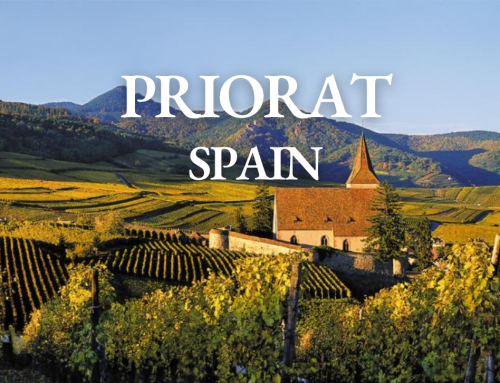
Alsace runs along France’s eastern border with Germany, a narrow strip of vineyards at the base of the Vosges Mountains. This geography is everything. The Vosges Mountains protect Alsace from Atlantic weather systems, creating a rain shadow that makes this one of France’s driest wine regions. Colmar, in the heart of Alsace, receives about 20 inches of rain annually—less than parts of California.
The protection from the mountains also creates a warm, sunny growing season that allows grapes to ripen fully while maintaining acidity—the key to Alsace’s wine style. The best vineyards are on east and southeast-facing slopes that get morning sun and are protected from harsh winds. Altitude ranges from 600 to 1,300 feet, which provides diversity in ripening times and wine styles.
The soil diversity in Alsace is extraordinary—granite, limestone, sandstone, clay, marl, volcanic rock, and various combinations, which creates distinct terroirs within a relatively small area. This diversity is why Alsace has 51 Grand Cru vineyards, each theoretically expressing different soil and exposure combinations through the same grape varieties.
The climate is continental—warm summers, cold winters, and a long, dry autumn that allows for late harvesting and occasional noble rot for sweet wines. This combination of protection, sunshine, and soil diversity creates ideal conditions for aromatic white varieties that need full ripeness to develop complexity but also need retained acidity to avoid flabbiness.
The Grape Varieties: Four Main Players and Some Supporting Characters
Alsace is defined by its grape varieties more than most French regions. The labels say “Riesling” or “Gewürztraminer,” not “Ribeauvillé” or “Riquewihr,” which makes the wine more accessible but also de-emphasizes terroir in a region that’s actually quite terroir-driven.
Riesling
This is Alsace’s greatest grape and the one most likely to age for decades. Alsace Riesling is completely different from German Riesling—it’s dry (or at least tastes dry), more mineral, less overtly fruity, and built for food rather than contemplation. The best examples show citrus, stone fruit, petrol (in a good way), and a steely mineral backbone that comes from granite or limestone soils.
Alsace Riesling has been having a moment as sommeliers and wine geeks rediscover dry Riesling’s food-pairing abilities. It works with everything from sushi to pork to Thai food, and unlike Chardonnay, it doesn’t get overwhelmed by vinaigrettes or vegetables. The challenge is that not all Alsace Riesling is actually dry. Some producers make off-dry styles that can taste sweet if you’re expecting bone-dry wine. This labeling ambiguity is one of Alsace’s ongoing problems.
Character: Dry, mineral, citrus, stone fruit, petrol, age-worthy
Best with: Rich fish, pork, Asian food, vegetables
Price range: $20-80+
Gewürztraminer
Gewürztraminer is polarizing. People either love its lychee-rose-spice intensity or find it too perfumed and overwhelming. There’s no middle ground. Alsace is where Gewürztraminer reaches its apex; ripe, aromatic, powerful, and (here’s the key) usually made in a dry or off-dry style that keeps it from being cloying.
Gewürztraminer works with foods that intimidate most wines…Asian spices, strong cheeses, curry, anything with ginger or five-spice. It’s also one of the few wines that can handle foie gras without being overwhelmed. The alcohol tends to be high (13.5-14.5%), which adds to the wine’s powerful, almost oily texture.
The name comes from the German word “Gewürz” (spice), and the wine delivers—it tastes like roses, lychee, ginger, and exotic spices. When it’s good, it’s extraordinary and unlike anything else in wine. When it’s bad, it’s cloying, flabby, and tastes like perfume.
Character: Aromatic, spicy, lychee, rose, full-bodied, low acidity
Best with: Asian food, strong cheeses, foie gras, Thanksgiving turkey
Price range: $18-60
Pinot Gris
Alsace Pinot Gris is nothing like Italian Pinot Grigio. It’s richer, fuller-bodied, more textured, with flavors of honey, smoke, and orchard fruit. It falls somewhere between Riesling’s mineral precision and Gewürztraminer’s aromatic intensity, which makes it versatile and food-friendly.
Pinot Gris can be made in dry or sweet styles, and like Riesling, it’s not always obvious from the label which you’re getting. The best dry examples have enough body to handle rich dishes but retain enough acidity to work with food. Sweet Vendange Tardive or Sélection de Grains Nobles (SGN) Pinot Gris is one of Alsace’s great dessert wines—luscious, complex, and less overtly sweet than Sauternes.
Character: Rich, honeyed, smoky, full-bodied, versatile
Best with: Rich fish, pork, mushrooms, root vegetables
Price range: $20-70
Pinot Blanc
This is Alsace’s everyday wine. Simple, refreshing, affordable, and perfect when you want white wine that doesn’t demand attention. Pinot Blanc shows apple, pear, and almond notes with moderate acidity and light body. It’s not profound, but it’s reliable and well-priced ($12-18), which makes it useful.
Pinot Blanc often gets blended with Auxerrois (a similar variety) to create “Pinot Blanc” on the label, which is confusing but doesn’t really matter for practical purposes. This is wine for weeknight dinners, casual meals, and situations where you want something better than basic wine but don’t want to think too hard about it.
Character: Light, crisp, apple, pear, straightforward
Best with: Chicken, light fish, vegetables, aperitif
Price range: $12-25
Other Alsace Varieties
Muscat makes dry, aromatic wine in Alsace that’s grapey and floral—perfect as an aperitif. It’s rare to find but lovely when you do.
Pinot Noir is Alsace’s only red grape, and while it’s improved dramatically in recent years, it’s still light-bodied and more Burgundian than most people expect from “red wine.” Some producers are making serious Pinot Noir now, but it remains a curiosity rather than a reason to visit Alsace.
Sylvaner is the workhorse white. Simple, tart, forgettable, and increasingly rare as producers replace it with more prestigious varieties.
The Grand Cru System: 51 Vineyards Worth Understanding
Alsace has 51 Grand Cru vineyards, which sounds impressive until you realize that some are enormous (up to 200 acres) and that quality within a Grand Cru can vary wildly depending on the producer and the specific site within the vineyard. The Grand Cru system was established in 1975 and has been controversial ever since. Some believe it waters down the meaning of “Grand Cru,” others defend it as recognizing Alsace’s terroir diversity.

What matters practically is this: Grand Cru designation on a bottle means the wine comes from one of these 51 sites and meets certain production requirements (lower yields, higher minimum ripeness). It doesn’t guarantee quality but usually indicates serious wine worth paying more for. Expect to pay $30-80 for Grand Cru Alsace versus $15-30 for village-level wine.
Some Grand Crus are more famous and consistently excellent than others:
Schlossberg (Riesling) – Granite soils, mineral, age-worthy
Rangen (Riesling, Pinot Gris) – Volcanic soils, powerful, exotic
Hengst (Gewürztraminer, Pinot Gris) – Limestone/marl, rich, structured
Brand (Riesling, Pinot Gris) – Granite, elegant, precise
Goldert (Gewürztraminer, Muscat) – Clay-limestone, aromatic, complex
The Grand Cru system is complicated and imperfect, but it’s useful for identifying serious Alsace wine. If you see Grand Cru on the label from a reputable producer, you’re probably getting wine that’s worth the premium.
Sweetness Levels: Cracking the Code
This is where Alsace gets confusing. Unlike Germany, which has clear sweetness designations on every label, Alsace uses terms that aren’t always intuitive and doesn’t always indicate sweetness clearly. Here’s what you need to know:
Standard AOC Alsace wine can be dry or off-dry, and you often can’t tell from the label alone. In general, Riesling tends toward drier styles, Gewürztraminer and Pinot Gris toward off-dry or richer styles, but this varies by producer and vintage.
Vendange Tardive (VT) means “late harvest”—grapes picked at higher ripeness levels. These wines can be off-dry to sweet, with concentrated flavors and higher alcohol. Not quite dessert wines but too rich for most dinner applications. Think of them as meditation wines or wines for cheese courses.
Sélection de Grains Nobles (SGN) is Alsace’s equivalent to Sauternes—sweet wine made from botrytis-affected grapes. These are genuinely sweet dessert wines, luscious and complex, often with better aging potential than the dry wines. Expensive ($50-150+) but extraordinary.
The best approach: look for the word “sec” (dry) on the label, check the alcohol level (higher usually means less residual sugar was left), or ask someone knowledgeable. Better yet, find producers who consistently make the style you like and stick with them.
The Key Regions and Villages
Alsace runs north to south for about 100 miles, but the quality production is concentrated in a handful of areas:

Bas-Rhin (Northern Alsace)
The northern section is generally cooler and produces lighter wines. Strasbourg is the major city, but the wine production is less renowned than in Haut-Rhin to the south. Some good producers exist here (Trimbach is based in Ribeauvillé, technically in Haut-Rhin but serving as the northern anchor), but this isn’t where most prestige Alsace comes from.
Haut-Rhin (Southern Alsace)
This is where Alsace’s reputation is made—the area from Colmar south to Thann, including villages like Riquewihr, Ribeauvillé, Kaysersberg, and Turckheim. The concentration of Grand Cru vineyards is highest here, the slopes are steeper and better-exposed, and this is where most top producers are located.
Riquewihr is postcard-perfect—medieval architecture, steep vineyards, tourist crowds, and serious wine producers. The village is worth visiting despite the crowds, and several Grand Cru sites surround it.
Ribeauvillé has multiple Grand Crus nearby and hosts many quality producers. Less touristy than Riquewihr but still beautiful.
Kaysersberg is where Albert Schweitzer was born (if that matters to you) and produces excellent wine from producers like Domaine Weinbach.
Turckheim is home to Zind-Humbrecht and several other quality-focused producers.
The Producers: Who to Trust
Alsace wine quality improved dramatically in the 1980s and 1990s as producers shifted from sweet, commercial styles to drier, more terroir-driven wines. The top producers now rival Burgundy for attention to detail and vineyard specificity, while maintaining prices that are significantly more reasonable.
The Benchmark Producers
Domaine Zind-Humbrecht is Alsace’s most famous producer and the one most responsible for elevating the region’s reputation internationally. Olivier Humbrecht (the first French Master of Wine) farms biodynamically and makes wines that express terroir with unusual clarity. His wines are powerful, concentrated, and sometimes contain residual sugar even when they don’t taste sweet. Not inexpensive ($40-100+) but consistently extraordinary.
Trimbach makes classic, dry Alsace that ages beautifully. Their Clos Sainte Hune Riesling is one of Alsace’s most prestigious wines ($150-200), but their basic Riesling (~$25) is excellent and shows what the house style is about: dry, mineral, austere in youth but developing complexity with age.
Domaine Weinbach produces wines that are rich, aromatic, and impeccably made. The Faller family has run this estate for generations, and everything they make is worth drinking. Their Gewürztraminers are particularly notable—powerful but balanced, aromatic but not overwhelming.
Domaine Marcel Deiss is controversial and fascinating—Jean-Michel Deiss believes in field blends (multiple varieties planted and fermented together) rather than varietal wines, which goes against Alsace tradition. His wines are complex, distinctive, and expensive, and they’ve influenced a younger generation of producers.
Josmeyer makes elegant, precise wines across the range. Their Grand Cru Hengst wines (Riesling, Gewürztraminer, Pinot Gris) are benchmarks for what Alsace can achieve when everything goes right.
Albert Mann produces biodynamic wines that show both power and finesse. Their Grand Cru bottlings are excellent, and their basic varietals are well-priced and reliable.
Domaine Ostertag makes terroir-driven wines with a modern approach—lower alcohol, more tension, less obvious ripeness than some traditional producers. André Ostertag is one of Alsace’s most thoughtful vignerons.
Good Value Alsace Producers
Dopff au Moulin makes solid, affordable Alsace across the range. Not the most exciting wines but reliable and well-priced ($15-25).
Lucien Albrecht produces good entry-level Alsace that over-delivers for the price. Their Crémant d’Alsace (sparkling wine) is particularly good value.
Cave de Turckheim is a cooperative making quality wine at reasonable prices. Their single-vineyard bottlings are worth seeking out.
What to Buy When: A Practical Guide
For weeknight dinners ($15-25): Basic Riesling or Pinot Blanc from reliable producers—Trimbach, Dopff au Moulin, Lucien Albrecht. Simple, food-friendly wine that works with chicken, fish, or vegetables.
For weekend meals or when you want something more serious ($30-50): Village-level or single-vineyard wines from top producers—Zind-Humbrecht, Weinbach, Trimbach, Josmeyer. Significant step up in complexity and character.
For special occasions or cellaring ($50-100+): Grand Cru wines from benchmark producers, or Vendange Tardive/SGN for dessert. These are wines that reward attention and improve with age.
For Thanksgiving specifically: Gewürztraminer or off-dry Riesling. Nothing else handles the complexity of Thanksgiving flavors—turkey, stuffing, cranberries, sweet potatoes, as well as Alsace wine.
For Asian food: Riesling (dry or off-dry) or Gewürztraminer. The combination of aromatics, acidity, and moderate alcohol works perfectly with spice, heat, and complex flavors.
For rich fish or pork: Pinot Gris. The body and texture handle richness while the acidity cuts through fat.
Why Alsace Matters
Alsace represents something rare in wine: a region making distinctive, food-friendly wines at prices that haven’t caught up with quality. You can buy Grand Cru Alsace for $40-60 that rivals $100+ wines from more famous regions. The wines age beautifully—20-30 years for the best Rieslings and Gewürztraminers, and develop complexity that justifies cellaring if you have patience.
The region also produces wines that work with difficult foods. Asian cuisine, Thanksgiving dinner, cheese courses, vegetables with vinaigrette; these are foods that challenge most wines but suit Alsace perfectly. In a wine world increasingly dominated by high-alcohol, low-acid wines designed to impress critics, Alsace maintains moderate alcohol and high acidity designed to accompany meals.
I keep several bottles of Alsace in my home—basic Riesling for weeknight dinners with fish or chicken, a bottle of Gewürztraminer that comes out every Thanksgiving, and a Grand Cru Riesling from Trimbach that I’m aging because someone told me it will be extraordinary in ten years and I believed them. The basic Riesling gets opened frequently because it costs $22 and works with everything. The Gewürztraminer is perfect once a year. The Grand Cru sits on the shelf, appreciating in both value and my anticipation.
The Visit (If You Go)
The Alsace Wine Route is one of France’s most beautiful—half-timbered villages, steep vineyards, medieval architecture, and excellent food. The region is manageable to visit (unlike Burgundy with its tiny, scattered producers) because villages are close together and many producers welcome visitors.
Colmar makes the best base. It’s a central location, beautiful town, good restaurants, and access to major producers within 20 minutes. Visit in October during harvest if possible, or in December for the Christmas markets if you can tolerate the crowds.
The food in Alsace is German-influenced and outstanding. Tarte flambée (Alsatian pizza), choucroute garnie (sauerkraut with various pork products), baeckeoffe (meat and potato casserole), and kugelhopf (sweet bread) is amazing. All of it pairs perfectly with Alsace wine, which is not a coincidence.
The Misunderstood Region That Deserves Better
Alsace makes some of France’s most distinctive and food-friendly wines, and it remains undervalued and misunderstood by most wine drinkers. The labeling is confusing, the bottles look German, and the grape varieties aren’t what most people think of when they think “French wine.” But once you get past these superficial barriers, you discover wines that pair brilliantly with food, age gracefully, and cost significantly less than comparable wines from Burgundy or Bordeaux.
The next time you’re looking for white wine that works with difficult foods—spicy dishes, Thanksgiving dinner, rich fish, or vegetables—buy Alsace. When you want wine that ages for decades and costs $40 instead of $150, try Grand Cru Alsace Riesling. When someone tells you they don’t like Riesling because it’s too sweet, hand them a bottle of Trimbach and watch them reconsider.
Alsace won’t stay secret forever. The wines are too good, the prices are too reasonable, and eventually more people will figure out what sommeliers and wine geeks already know. Until then, those of us who understand Alsace get to drink extraordinary wine at prices that don’t require justification or second mortgages. That seems like a reasonable situation to be in.